Bethel Burying Ground Project

Bethel Burying Ground Project

  • ABOUT THE BETHEL BURYING GROUND PROJECT

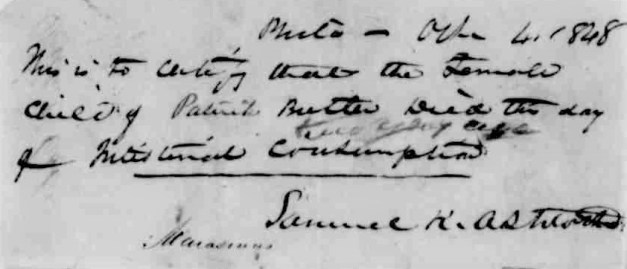
The two-year-old daughter of Patrick Butler died this date, October 4th, in 1848 and was buried at Bethel Burying Ground.

Posted by Terry Buckalew on October 4, 2018
Posted in: On This date. Tagged: African American burial grounds, African American cemeteries, African American History, African Methodist Episcopal Church, archaeology, Bethel Burying Ground, Mother Bethel, Mother Bethel African Methodist Episcopal Church, Philadelphia, Richard Allen. Leave a comment

BUTLER

The two-year-old unnamed daughter of Patrick Butler died this date, October 4th, in 1848 of an intestinal disorder and was buried at Bethel Burying Ground. The first name of the child’s mother is unavailable. Although the Butlers are recorded in the 1837 and 1847 Philadelphia African American Census, they are not recorded in the Federal Census of 1850 or beyond where Ms. Butler’s first name would have been reported.
EMELINE

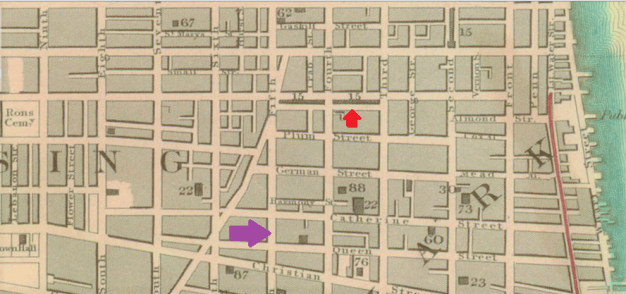
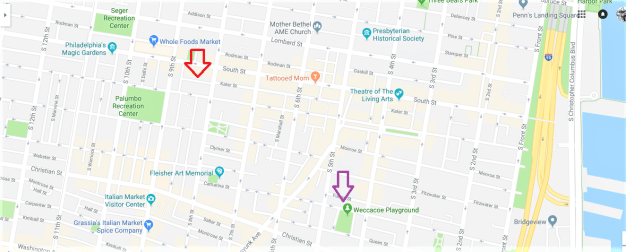
The red arrow indicates the location of Emeline Street (now Kater). The purple arrow indicates the location of the Bethel Burying Ground.

It appears from the 1847 Census that the Butlers had another daughter in addition to the deceased child. She was listed as being under the age of five years old. Mr. Butler was employed as a porter/laborer earning $4 a week and Ms. Butler worked as a laundress. They lived in a room at 8 Emeline Street for which they paid $5.60 a month in rent.
14b1ebba850fddcb9aaadb20e69a273f

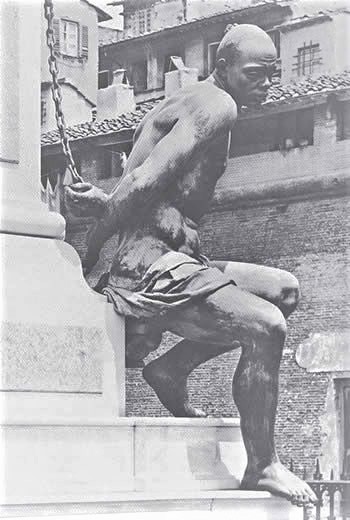
Mr. and Ms. Butler reported to the 1837 census taker that they both were formerly enslaved and that they gained their freedom because they were “freed by the law.” In 1780, the Pennsylvania legislature passed the first state Abolition Act. It ended slavery through gradual emancipation. The law provided for the children of enslaved mothers to be born free. The Butlers appear to have been in this category.

The Butlers’ daughter was interred on a fair day in October with no prospect of rain. The temperature at dawn was 56 degrees, rising to 66 degrees by noon. 
Screenshot 2018-10-03 19.27.20


Eighty-six-year-old Joanna Brickley died this date, September 29th, in 1853 and was buried at Bethel Burying Ground.

Posted by Terry Buckalew on September 29, 2018
Posted in: On This date. Tagged: African American burial grounds, African American cemeteries, African American History, African Methodist Episcopal Church, archaeology, Mother Bethel, Mother Bethel African Methodist Episcopal Church, Philadelphia, Richard Allen. Leave a comment

Brickley (2)

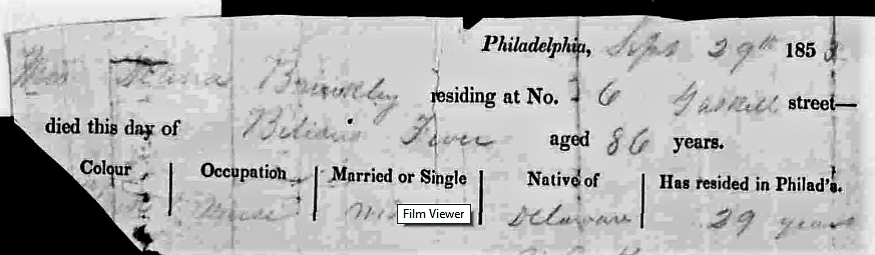
Eighty-six-year-old Joanna Brickley died this date, September 29th, in 1853 of “Bilious Fever” which is usually associated with liver disease. A widow, she was born in Delaware and had spent her last twenty-nine years in Philadelphia. She was employed as a nurse during her working years. She lived at #6 Gaskill in a destitute neighborhood. Gaskill is now Naudain Street.

black-nurse

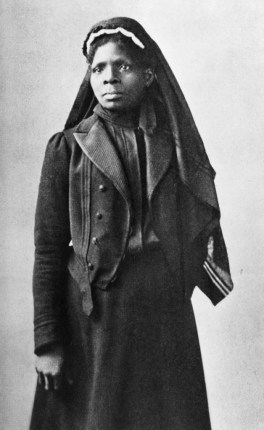
A nineteenth and early twentieth century African American nurse.

 Black women in 19th century Philadelphia were employed as a wet-nurse, children’s nurse, sick room nurse, and hospital nurse in segregated maternity and general wards. However, the 1847 Philadelphia African American Census shows that only twenty-one Black women and men reported their occupation as “nurse.”

Delaware-finley-1828

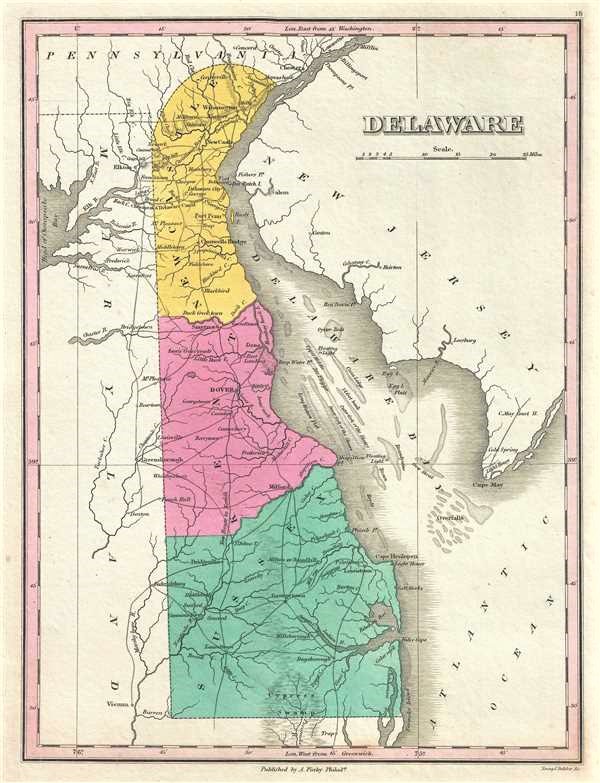
1828 map of Delaware showing proximity to Pennsylvania

Ms. Brickley arrived in Philadelphia from Delaware, her home state, in 1824 at the age of fifty-seven. At that period of time in Delaware’s history, there was an aggressive attempt by state and local governments to severely restrict the rights of free Black men and women while they struggled to establish their autonomy. Blacks were denied incorporation of their beneficial societies and fraternal organizations. Black children were beginning to be denied a state-funded education. Richard Allen’s itinerant ministers of the African Methodist Episcopal Church in Philadelphia had fanned out through Delaware as early as 1822, preaching in private homes that attracted large enthusiastic groups of Black citizens. This AME gospel of liberation also did not go unnoticed by the enslaved population which increased the slaveholders’ fear of a violent revolt. This period of increased white oppression was the catalyst for a dramatic increase in the migration of Black Delawareans to Philadelphia, a popular exodus destination for free and enslaved fugitives.*

IMG-5518

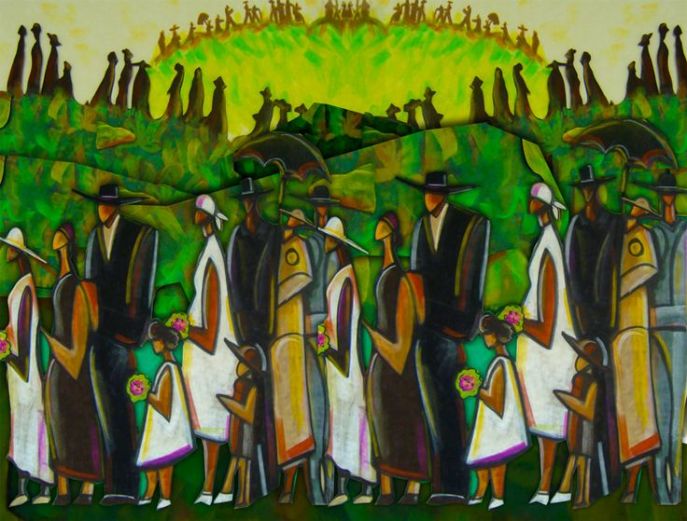
Joanna Brickley joined her ancestors on a clear September day in 1853.

———————————————————

*William H. Williams, Slavery and Freedom in Delaware, 1639-1865.

Six-year-old Charles Edwards died this date, September 27th, in 1847 and was buried at Bethel Burying Ground.

Posted by Terry Buckalew on September 27, 2018
Posted in: On This date. Tagged: African American burial grounds, African American cemeteries, African American History, African Methodist Episcopal Church, archaeology, Bethel Burying Ground, Mother Bethel, Mother Bethel African Methodist Episcopal Church, Philadelphia, Richard Allen. Leave a comment

CHARLES EDWARDS

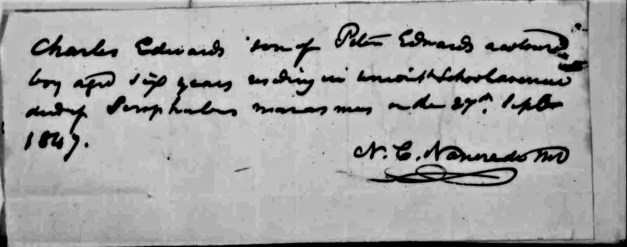
Six-year-old Charles Edwards died this date, September 27th, in 1847 of Marasmus and was buried at Bethel Burying Ground. Marasmus is caused by starvation or a diet totally absent from necessary nutrition. Apart from weight loss, long-term effects of Marasmus in children include repeated infections. Diarrhea, measles, or respiratory infections are serious complications that can be fatal in a child with this illness.

The child’s parents were Ann  (32 years old) and Peter (37 years old). She was employed as a day worker and he was not employed at the time of his son’s death. Three years later in 1850, Mr. Edwards reported he then worked as a waiter. The Edwards also had a thirteen-year-old daughter, Maria, who assisted at home, according to the 1850 United States Census. The entire family lived in 9’x9′ room on School Avenue for which they paid $0.62 a week in rent, according to the 1847 Philadelphia African American Census. The degree of the family’s poverty is evident in that the Edwards owned only $15 in personal property, per the 1847 Census.

Church Avenue

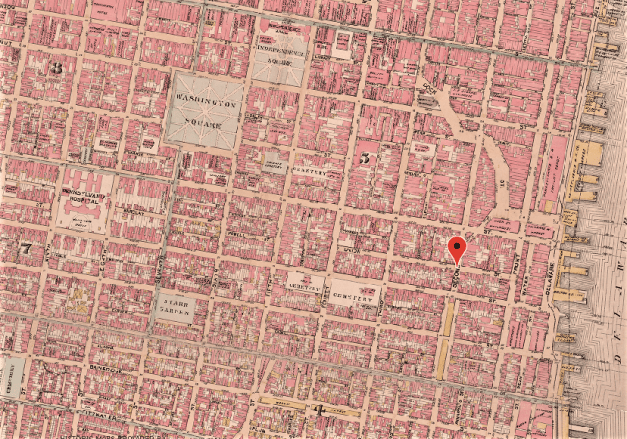
The Edwards’ home was near the intersection of 2nd and Spruce Streets, not far from the Delaware River wharves.

At the time of the internment of the Edwards’ child, Bethel Burying Ground was in bad shape. On November 10, 1847, the officials of the Philadelphia Board of Health agreed to notify Bethel Church officials that BBG was a public nuisance following complaints by neighbors and an inspection by Board members. “You are hereby notified, that in all future interments made therein, each body shall be deposited in the grave six feet in depth, and filled up with earth to a level with the proper surface of the ground; and that nobody shall be kept upon any part of the said grounds, or in any place appertinent and thereto, for a longer period than two hours previous to it being interred as above directed.” * It is difficult to explain the terrible condition of the small cemetery with the local AME bishop living across the street.**

EDWARDS tombstone

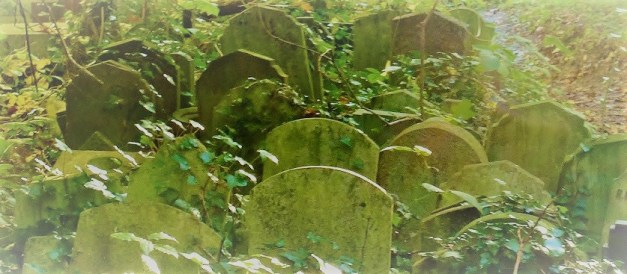
Six-year-old Charles Edwards was buried on a clear September day where the temperature only reached 60 degrees by the late afternoon.

—————————————————————————————–

Note – an “Ann Edwards,” a Black woman, delivered a stillborn child on September 26, 1844. The child was buried in the “Colored” section of Union Baptist Cemetery, two blocks from BBG. I am unable to definitively determine if this is the woman that was also the mother of Charles.

*Philadelphia Board of Health Minutes for November 10, 1847.

**African Methodist Episcopal Bishop Morris Brown lived at 154 Queen Street the 1847 Philadelphia African American Census.

Fifty-one-year-old Robert Vezey died this date, September 26th, in 1852 and was buried at Bethel Burying Ground.

Posted by Terry Buckalew on September 26, 2018
Posted in: On This date. Tagged: African American burial grounds, African American cemeteries, African American History, African Methodist Episcopal Church, archaeology, Bethel Burying Ground, Mother Bethel, Mother Bethel African Methodist Episcopal Church, Philadelphia, Richard Allen. Leave a comment

VEZEY

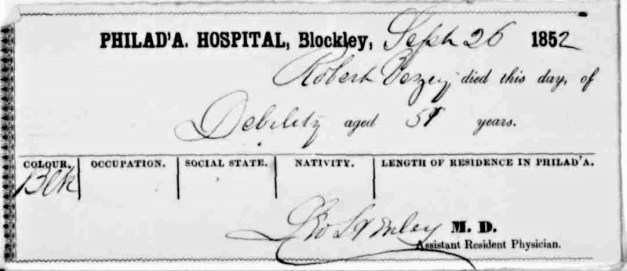
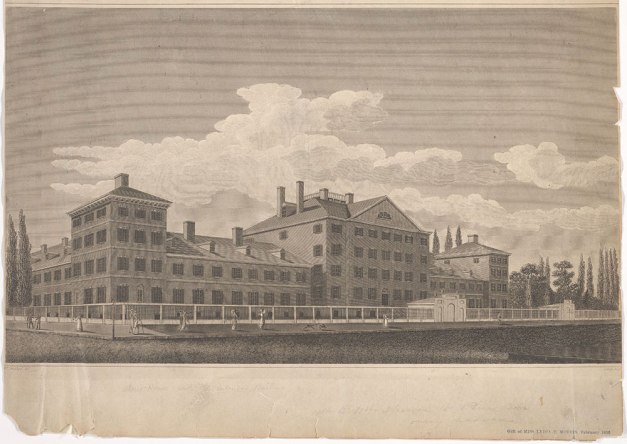
Fifty-one-year-old Robert Vezey* died this date, September 25th, in 1852 of “Debility” and was buried at Bethel Burying Ground. Mr. Vezey died in the hospital of the Philadelphia Almshouse. The poorhouse medical facility served the destitute who were homeless and who had no resources to support themselves. His cause of death was “Debility” which only described his current physical state. Starvation, living outside in the elements, alcoholism and venereal disease commonly accounted for this condition. 

Blockley Hosp image

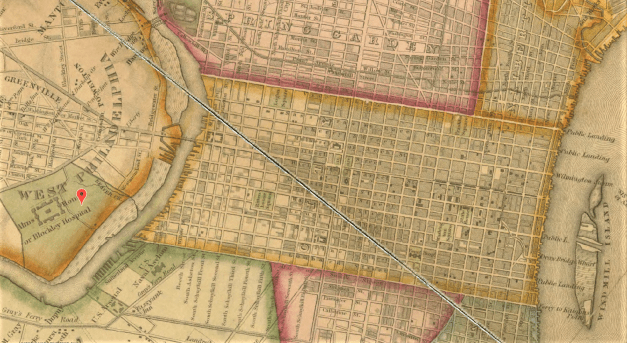
“In 1835, the overcrowded Philadelphia Almshouse moved to Blockley Township in West Philadelphia, an area once known as “Blockley Farm,” now between 34th Street and University Avenue. Built to house a variety of Philadelphia’s indigent population, the facility consisted of a quadrangle of four sizable buildings including a poorhouse, a hospital, an orphanage, and an insane asylum. Construction of the first building had begun in 1830.” https://en.wikipedia.org/wiki/Blockley_Almshouse

Blockley Map

The red pin indicates the location of the Blockley Almshouse and Hospital.

The fact that Mr. Vesey was buried in a private cemetery, as opposed to the city’s potter’s field, indicates that he probably had family already buried at Bethel Burying Ground. I have been unable to positively identify any family members. The 1837 Philadelphia African American Census reports Mr. Vesey as married and employed as a porter. His unnamed spouse worked as a laundress. There are seven men, women and children interred at BBG with the last name of Vesey or with a very close spelling. (See below)

Former slave - Alabama

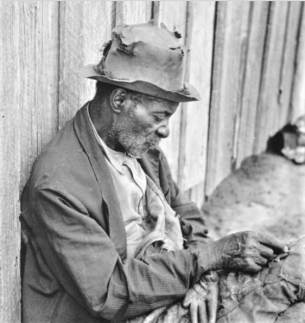
In the week that Mr. Vesey died, there were a total of 22 deaths at Blockley. According to the Board of Health – “People of color, 19. From the Country, 2.” (emphasis added)


*Others buried at Bethel Burying Ground that could have been related to Mr. Vesey:

  • Cassandra Veazy: 24 years old; 18 Jan 1829
  • Unspecified Veazy: 2 months old; 22 Nov 1828; father, Robert Veazy
  • Ann Vesey: 43 years old; 3 Oct 1844
  • George Vesy: 40 years old; 11 July 1843
  • Mary Ann Vesy: 2 years old; 5 May 1821
  • Emily Vizy: 7 months old; 4 Aug 1828
  • Thomas Vizy: 10 months old; 24 April 1827

One-hundred-year-old Rebecca Miller died this date, September 23rd, in 1847 and was buried at Bethel Burying Ground.

Posted by Terry Buckalew on September 23, 2018
Posted in: On This date. Tagged: African American burial grounds, African American cemeteries, African American History, African Methodist Episcopal Church, AME Zion, archaeology, Bethel Burying Ground, Mother Bethel, Mother Bethel African Methodist Episcopal Church, Philadelphia, Richard Allen. Leave a comment

Rebecca Miller

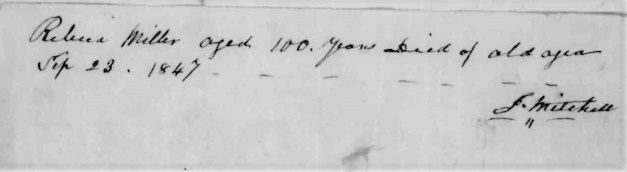
One-hundred-year-old Rebecca Miller died this date, September 23rd, in 1847 of “old age” and was buried at Bethel Burying Ground. Ms. Miller was a widow who, ten years before her death, at ninety years old reported her occupation as “washwoman,” according to the 1837 Philadelphia African American Census. She also stated she was free born and worshipped at Bethel African Methodist Episcopal Church at 6th and Lombard Streets.

 The year Ms. Miller was born, 1747, still saw French and Spanish pirates hunting American and British ships in the Delaware Bay. In addition, white settlers in western Pennsylvania still were trying to move out Native Americans who refused to give up their homes without a fight. Philadelphia was still a town growing into a city.

As a girl, Ms. Miller likely walked past the London Coffee House on the corner of Front and High Streets, where a rickety platform was erected on the sidewalk to display the Black men, women, and children up for sale as slaves. At the same location, she would have witnessed President George Washington signing the Fugitive Slave Act of 1793 that ordered escaped enslaved Blacks to be dragged back into bondage. 

100 years (2)

As a Black woman, she survived the “Huntin’ the Nig” mobs of 1834, 1842 and 1844 and the deadly epidemics of Yellow Fever, Small Pox, Cholera, Typhus, and Tuberculosis that swept through the city in the 17th and 18th centuries.

Ellitt's CourtThe purple arrow indicates the location of the Bethel Burying Ground. The red arrow indicates the location of Elliott’s Court (now Kater St.) where Ms. Davis rented a room for $6.25 a month. 
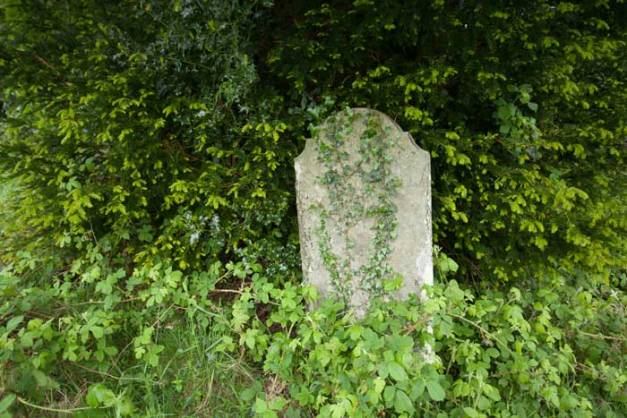
Rebecca Davis was buried on a September day where, at dawn, it was foggy and a cool 52 degrees. The afternoon was clear while reaching a high of 74 degrees.

abandonedcemetery

Out of the surviving records, Ms. Miller is one of eleven individuals interred at Bethel Burying Ground who was one hundred years old or older at the time of their deaths.


Nine-year-old Simon Carson died this date, September 16th, in 1841 and was buried at Bethel Burying Ground.

Posted by Terry Buckalew on September 16, 2018
Posted in: On This date. Tagged: African American burial grounds, African American cemeteries, African American History, African Methodist Episcopal Church, archaeology, Bethel Burying Ground, Mother Bethel, Mother Bethel African Methodist Episcopal Church, Philadelphia, Richard Allen. Leave a comment

SIMON CARSON

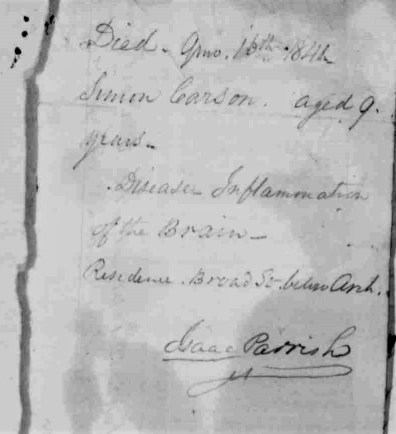
Nine-year-old Simon Carson died this date, September 16th, in 1841 of an “Inflammation of the Brain” and was buried at Bethel Burying Ground. The child’s father was Robert Carson, a porter, who died six months before Simon passed away. Mr. Carson died on March 26, 1841 of a “Lumbar Abscess” at thirty-one years old. He was also buried at Bethel Burying Ground.

The identity of the child’s mother is not definitive. Records suggest the child’s mother was Hannah Carson who was employed as a dressmaker, according to the 1847 Philadelphia African American Census. She was thirty-six years old at the time of her son’s death. She had another son, Joseph, who was six years old at the time of his brother’s death. Both children attended the Raspberry Alley School.

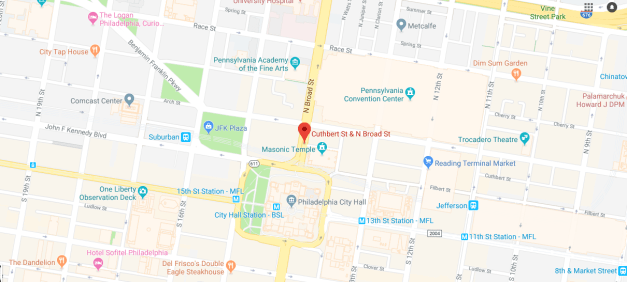
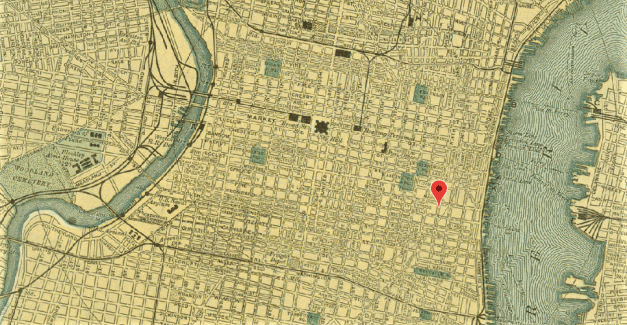
At the time of the son’s death, the family lived in one room on Paper Alley, only two blocks north of what is now Philadelphia City Hall in the center of the city. The narrow alley, now known as Cuthbert Street, was an unpaved dirt backstreet that flooded when it rained and iced over in the winter, making it difficult to navigate. The Carsons paid about $2.75 a month in rent, according to the 1847 Census. The red pin in the map below shows the location of the Carson home.

Screenshot 2018-09-14 19.03.46

Shepard Gibbs was the gravedigger for the Bethel Burying Ground at this time. He likely reopened the grave of Mr. Carson and interred Simon with his father. This was not an unusual practice for cemeteries during this era.

Old Stone, rain_email


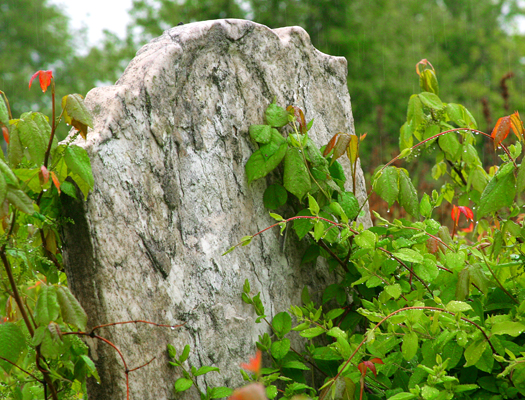
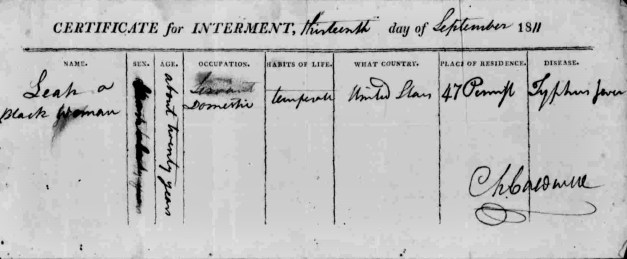
Leah, a twenty-year-old Black Woman, died this date, September 13th, in 1811 and was buried at Bethel Burying Ground.

Posted by Terry Buckalew on September 13, 2018
Posted in: On This date. Tagged: African American burial grounds, African American cemeteries, African American History, African Methodist Episcopal Church, archaeology, Bethel Burying Ground, Mother Bethel, Mother Bethel African Methodist Episcopal Church, Philadelphia, Richard Allen. Leave a comment

LEAH

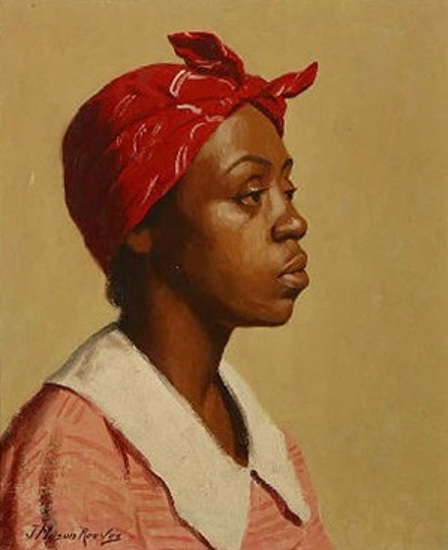
Leah, approximately twenty-years-old, died this date, September 13th, in 1811 of Typhus Fever and was buried at Bethel Burying Ground. The reason why no last name is recorded is a mystery. In addition, the change of her occupation on her death certificate from “Servant” to “Domestic” is unusual. Was she initially an indentured servant and then hired by the family as a free woman? Her residence at 47 Penn Street is a clue. It was the address of a wealthy merchant, Jehu Hollingsworth, who was “engaged in the West India trade.” Ms. Leah was also described as a temperate woman who was born in the United States.

Screenshot 2018-09-12 16.36.55

In 1811 Ms. Leah lived within sight of the wharves that serviced the sailing ships which delivered goods from all over the world. The neighborhood was infected with rats from these vessels. It was the fleas and lice from these vermin that bite Ms. Leah and gave her the deadly Typhus Fever. Death was not immediate and the victim would suffer for weeks with a painful body rash, an excruciating headache, vomiting, diarrhea, delirium, rotting of the tongue, mouth, and nose. She suffered also with bleeding from all orifices, wracked by high fevers, alternating with shivering cold. The young woman would be blind and deaf when death came mercifully after weeks of suffering. It would be another 120 years before the development of a vaccine.

negro-woman-wearing-red-bandana

Ms. Leah was one of forty-three Philadelphians to die of Typhus Fever in 1811, according to the official Board of Health records. Approximately 60% of those who contracted the illness survived. Between 1836-1837, over 400 citizens were fatal victims of the disease.

*****

Note: Typhoid Fever is an entirely different disease than Typhus. Typhoid is caused by the ingesting of fecal material through contaminated water, milk or food. 

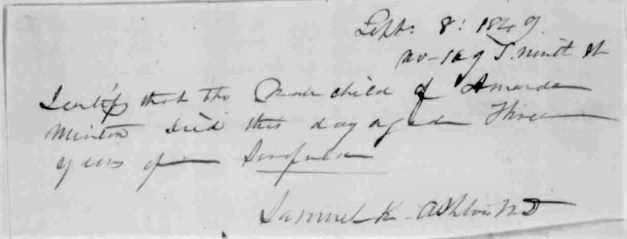
The three-year-old son of Amanda and Moses Minton died this date, September 8th, in 1849 and was buried at Bethel Burying Ground.

Posted by Terry Buckalew on September 8, 2018
Posted in: On This date. Tagged: African American burial grounds, African American cemeteries, African American History, African Methodist Episcopal Church, archaeology, Mother Bethel, Mother Bethel African Methodist Episcopal Church, Philadelphia, Richard Allen. Leave a comment

Minton

The three-year-old unnamed son of Amanda and Moses Minton died this date, September 8th, in 1849 of Scrofula* and was buried at Bethel Burying Ground. At the time of their son’s death, Ms. Minton (34 years old) was employed as a laundress and Mr. Minton (49 years old) was employed as a porter, earning $6 a week, according to the 1847 Philadelphia African American Census. The family of nine lived at 17 Emeline Street for which they paid $5.25 a month. Siblings of the dead three-year-old were James (17 years old ), who also worked as a porter, David (9), Anni (7) and Amanda (4), according to the 1850 Federal Census. The other two members of the Minton family were not identified. Mr. and Ms. Minton were both born in Virginia, while all their children were born in Pennsylvania. 

EMELINE

The red arrow indicates the location of Emeline Street (now Kater). The purple arrow indicates the location of the Bethel Burying Ground.

Emeline Street was a short, narrow thoroughfare that was crowded beyond its limits with African American families. The street was home to forty-six families, totaling one hundred seventy-one men, women and children. The adults were employed in jobs that serviced the well-off white families in the area and at the stores they frequented. Emeline Street was the address of carpenters, coachmen, private waiters, barbers, dressmakers, seamstresses and “Ladies Maids.” Half of the families lived in shelters in the rear of the houses that faced the street. Interestingly, the census taker for the 1847 Philadelphia African American Census commented that the families that did not live in the shanties were “doing well.” He or she had no comment on those in the shacks and the converted animal stables in the backyards.

The Mintons’ son was buried on a “fair day” with a high temperature of 68 degrees and a “drying wind” out of the north. Mr. Minton would succumb to stomach cancer in 1860 at sixty-four and Ms. Minton to kidney disease at seventy years old in 1874.

weathered-tombstones

—————————————————

Historical Note

Emeline Street does have an awful place in Philadelphia history. It is stated that there was never a lynching of an African American in Philadelphia. That is because the white mobs would either shoot or beat to death their Black victims. This was the case on October 10, 1871. Musician Isaac Chase, thirty-four, had the gall to try to vote at his polling place when a gang of Irish thugs chased the young man back to his home at 811 Emeline Street. Chase made it inside but his front door was kicked opened and, in front of his spouse and children, Samuel was shot in the head and killed. 

________________

*Scrofula is a condition in which the bacteria that causes tuberculosis causes symptoms outside the lungs. This usually takes the form of inflamed and irritated lymph nodes in the neck.

The two-year-old unnamed son of Charles Savage died this date, September 1st, in 1847 and was buried at Bethel Burying Ground.

Posted by Terry Buckalew on September 1, 2018
Posted in: On This date. Tagged: African American burial grounds, African American cemeteries, African American History, African Methodist Episcopal Church, archaeology, Bethel Burying Ground, Mother Bethel, Mother Bethel African Methodist Episcopal Church, Philadelphia, Richard Allen. Leave a comment

SAVAGE

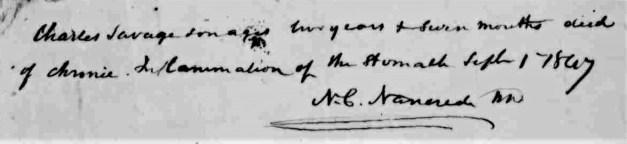
The unnamed two-year-old son of Charles Savage died this date, September 1st, in 1847 of a chronic stomach inflammation and was buried at Bethel Burying Ground. The name of the child’s mother was not recorded. Mr. and Ms. Savage had three other children – one under five years old and two between the ages of five and fifteen years old, according to the 1847 Philadelphia African American Census. There was also another unidentified female adult who was part of the family. Mr. Savage was employed as a driver of a furniture cart, earning $5 a week. Ms. Savage was a homemaker. The three adults were not born in Pennsylvania, while all the children were native of the state.

Screenshot 2018-08-30 10.42.04

The family of six lived in a 12’x12′ room in Church Alley, a short narrow back street near the Delaware River. They paid $4 a month for the small, poorly ventilated space. The children in the Savage family attended Jonathan Tudas’ private school on Hurst Street, several blocks from their home, according to the 1847 Census.

burial-2-jumbo-v2

The Savages’ two-year-old son was buried on a humid, rainy day in September of 1847. The 1850 Federal Census has no mention of a “Charles Savage” in Philadelphia that fits the information in the 1847 Census. 

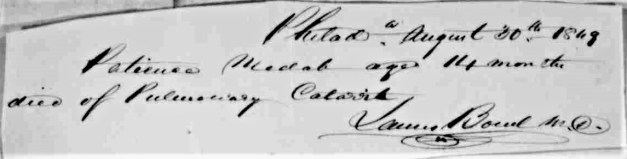
One-year-old Patience Medab died this date, August 30th, in 1849 and was buried at Bethel Burying Ground.

Posted by Terry Buckalew on August 30, 2018
Posted in: On This date. Tagged: African American burial grounds, African American cemeteries, African American History, African Methodist Episcopal Church, archaeology, Bethel Burying Ground, Mother Bethel, Mother Bethel African Methodist Episcopal Church, Philadelphia, Richard Allen. Leave a comment

PATIENCE MEDAB

Fourteen-month-old Patience Medab* died this date, August 30th, in 1849, of a respiratory infection and was buried at Bethel Burying Ground (BBG). Her parents were Mary, thirty-two-years-old, and George, thirty-nine-years-old. Both were born in Virginia, according to the 1850 Federal Census. He was employed as a shoemaker and Ms. Medab as a laundress. It appears the family tragically lost another daughter, two-year-old Elizabeth, in September of 1847. She also was buried at BBG. Sixty-eight-year-old Patience Medab, whom I believe was the baby’s namesake and paternal grandmother, died from complications of a stroke in April in 1843 and was buried at BBG.

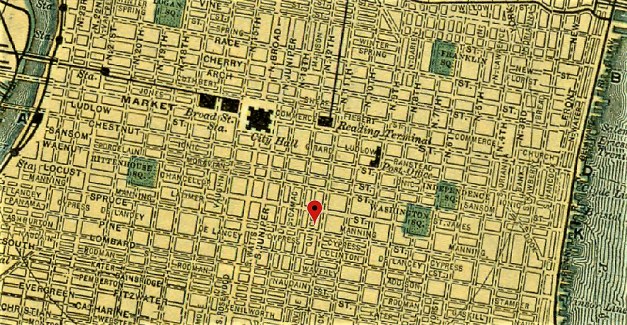
The Medab family lived in a 10’x10′ room at 41 Quince Street for which they paid $4 a month. Mr. and Ms. Medab attended church services, belonged to a beneficial society and claimed to own only $100 in personal property, according to the 1847 Philadelphia African American Census. 

QUINCE ST

The Medad family lived on Quince Street between Spruce and Locust Streets and 11th and 12th Streets. In 1847, there were forty-two Black families on the busy street that had a total of ninety-two family members including the Medads.

shoemaker-african-american-by-jacob-lawrence

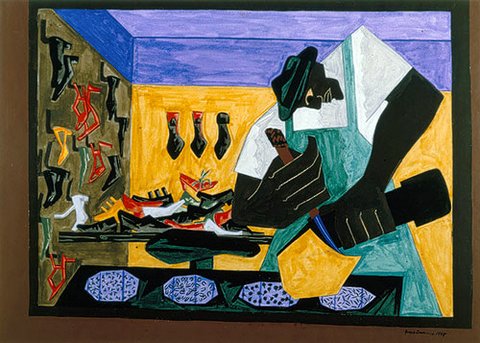
“The Shoemaker”, Watercolor Painting by Jacob Lawrence (1945)

Shoemaking was a skill that enslaved Black men were allowed to learn and practice on plantations in the North and South. It was also a trade that could be easily passed down from father to son. According to city directories, Quince Street was home to several  Black men who reported their occupation as shoemaking. It was faster to learn than other occupations such as clockmaking or silversmithing and the tools necessary were relatively inexpensive. However, the cost of establishing a shop, purchasing leather, and waiting to establish the clientele while maintaining a family at the same time was beyond the reach of most Black men in Philadelphia during the 1840s. Therefore, most Black shoemakers did “piece work” and they only were paid for making one pair of boots or shoes at a time. 

FOGGY

Fourteen-month-old Patience Medab was laid to rest in the family plot on a day when the morning was covered in a “dense fog” that eventually burned off to become a “warm and sultry” afternoon with the temperature reaching 82 degrees.

************************

*Other spellings of the family name include “Medad” and “Meadab.”

Posts navigation

← Older Entries
Newer Entries →
  • Recent Posts

    • Three dead as church wall falls on this date, May 1st, in 1841.
    • The ten-month-old Baby Colgate died this date, June 20th, in 1847, and was buried at Bethel Burying Ground.
    • Fifty-eight-year-old Rachel Dawson died this date, May 3rd, in 1839, and was buried at Bethel Burying Ground.
    • Twenty-eight-year-old Robert Swails died on this date, March 31st in 1849, and was buried at Bethel Burying Ground.
    • Forty-year-old Jacob “Jesse” Howard died on this date, January 29th, in 1840, and was buried at Bethel Burying Ground.
  • Archives

    • May 2024
    • June 2023
    • May 2023
    • March 2023
    • January 2023
    • December 2022
    • November 2022
    • October 2022
    • September 2022
    • August 2022
    • May 2022
    • April 2022
    • March 2022
    • February 2022
    • January 2022
    • December 2021
    • November 2021
    • October 2021
    • September 2021
    • August 2021
    • July 2021
    • June 2021
    • May 2021
    • April 2021
    • March 2021
    • February 2021
    • January 2021
    • December 2020
    • November 2020
    • October 2020
    • September 2020
    • August 2020
    • July 2020
    • June 2020
    • May 2020
    • April 2020
    • March 2020
    • February 2020
    • January 2020
    • December 2019
    • November 2019
    • October 2019
    • September 2019
    • August 2019
    • July 2019
    • June 2019
    • May 2019
    • April 2019
    • March 2019
    • February 2019
    • January 2019
    • December 2018
    • November 2018
    • October 2018
    • September 2018
    • August 2018
    • July 2018
    • June 2018
    • May 2018
    • April 2018
    • March 2018
    • February 2018
    • January 2018
    • December 2017
    • November 2017
    • October 2017
    • September 2017
    • August 2017
    • July 2017
    • June 2017
    • May 2017
    • April 2017
    • March 2017
    • February 2017
    • January 2017
    • December 2016
    • November 2016
    • October 2016
    • September 2016
    • August 2016
    • July 2016
    • June 2016
    • May 2016
    • April 2016
    • March 2016
    • February 2016
    • January 2016
    • December 2015
    • November 2015
    • October 2015
    • September 2015
    • August 2015
    • July 2015
    • June 2015
    • May 2015
    • April 2015
    • March 2015
    • February 2015
    • January 2015
    • December 2014
    • November 2014
    • October 2014
  • Categories

    • Archaeology
    • BBG History
    • Bethel Burying Ground Name Directory
    • Bethel Burying Ground Timeline
    • Burial services
    • Diseases
    • Documents
    • Freemasonry
    • Ignatius Beck
    • It's a fact
    • Maps
    • Neighborhood
    • Newspaper Articles
    • On This date
    • Photographs
    • Uncategorized
    • Videos
  • Meta

    • Create account
    • Log in
    • Entries feed
    • Comments feed
    • WordPress.com
Blog at WordPress.com.
Bethel Burying Ground Project
Blog at WordPress.com.
  • Subscribe Subscribed
    • Bethel Burying Ground Project
    • Join 48 other subscribers
    • Already have a WordPress.com account? Log in now.
    • Bethel Burying Ground Project
    • Subscribe Subscribed
    • Sign up
    • Log in
    • Report this content
    • View site in Reader
    • Manage subscriptions
    • Collapse this bar
 

Loading Comments...