Bethel Burying Ground Project

Bethel Burying Ground Project

  • ABOUT THE BETHEL BURYING GROUND PROJECT

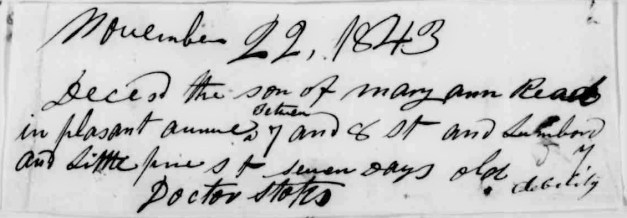
The seven-day-old son of Mary Ann Reed died this date, November 22nd, in 1843 and was buried at Bethel Burying Ground.

Posted by Terry Buckalew on November 22, 2018
Posted in: On This date. Tagged: African American burial grounds, African American cemeteries, African American History, African Methodist Episcopal Church, archaeology, Bethel Burying Ground, Mother Bethel, Mother Bethel African Methodist Episcopal Church, Philadelphia, Richard Allen. Leave a comment

READ

The seven-day-old son of Mary Ann Reed died this date, November 22nd, in 1843 of “Debility”* and was buried at Bethel Burying Ground. Although the physician writing the death certificate spells the last name “Read,” I have decided to use the 1847 Philadelphia African American Census spelling of “Reed.” 

Ms. Reed was a single mother living alone in a room at #7 Pleasant Avenue for which she paid $2.50 a month, according to the 1847 Census. She worked as a self-employed laundress. Ms. Reed reported she was formerly enslaved but declined to tell the census taker how she gained her freedom. She stated she could read and write. 

The author of the death certificate was Randolph Stokes, a Black man and herb doctor who also was formerly enslaved. Many Africans who were kidnapped from their homelands brought with them their knowledge of medicinal herbs. The 1847 Census reported ten herb doctors lived in the Black Philadelphia community. 

The_Times_Sun__Oct_13__1895_

Pleasant Avenue (above) was a dead-end alley that ran north/south between Lombard Street and Minister Streets and between 7th and 8th Streets in center city Philadelphia. This street rarely appeared on a city street map. The ghettoization of African Americans in the city forced the poorest white and Black families to live on streets like Pleasant, with notoriously crowded dwellings where diseases were quickly spread. What is missing from the above illustration are the piles of garbage lying in the street clogging the gutters with black water that was home to numerous diseases that would kill hundreds. The city government would pay contractors to clean these alleys but it rarely occurred.
historic-crosses-tombstones-small-cemetery-ospevika-norway-may-norwegian-early-spring-old-covered-rust-granite-78263911

Mary Ann Reed’s seven-day-old son was buried on a “partly clear” day where temperatures rose into the 40s.

Official Border

*Death from “Debility” is an archaic term that is not a cause of death. It is a symptom of a disease that causes a failure to thrive. In a newborn, it could be numerous underlying diseases. 
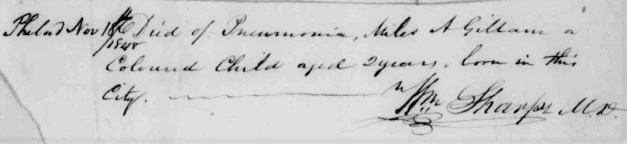
Two-year-old Miles A. Gillam died this date, November 18th, in 1848 and was buried at Bethel Burying Ground.

Posted by Terry Buckalew on November 18, 2018
Posted in: On This date. Tagged: African American burial grounds, African American cemeteries, African American History, African Methodist Episcopal Church, archaeology, Bethel Burying Ground, Mother Bethel, Mother Bethel African Methodist Episcopal Church, Philadelphia, Richard Allen. Leave a comment

Miles Gillam

Two-year-old Miles A. Gillam died this date, November 18th, in 1848 of Pneumonia and was buried at Bethel Burying Ground. According to the 1847 Philadelphia African American Census and the 1850 Federal Census, the child’s parents were Wesley and Sarah Gillam. She was born in New Jersey and was 28 years old at the time her son’s death. Mr. Wesley was born in Virginia and was 45 years old at that time. They had three other children: Martha (10 y/o), Margaret L. 5 (y/o) and Samuel who was either a newborn or born very shortly after the death of Miles. Sadly, Margaret died in September 1849 of a pulmonary disease and was buried next to her brother at Bethel Burying Ground.

The 1847 Census also shows that a female over the age of fifty was a part of the family. She was not a native of Pennsylvania. Either this woman or Mr. Gillam was formerly enslaved and gained her or his freedom through manumission. 

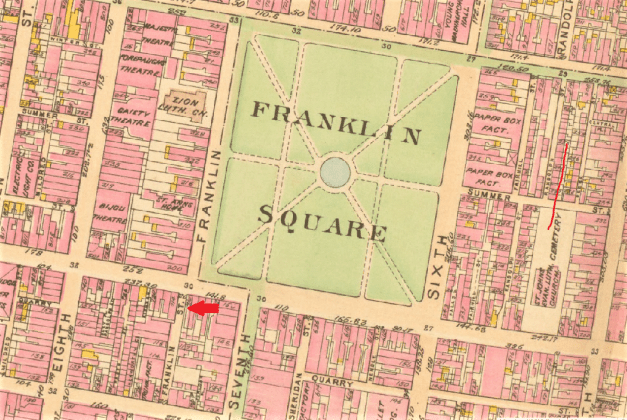
Eutaw map

The red arrow above indicates the location of the Gillam’s family residence on Eutaw Street, now Franklin Street.

The Gillam family lived in a shanty in the rear of #11 Eutaw Street in the Northern Liberties section of the city for which they paid $5 a month rent. Mr. Gillam earned $6 a week as a waiter and Ms. Gillam worked as a laundress. The Gillam children attended the Adelphia School, according to the 1847 Census. It was located several blocks from their home.

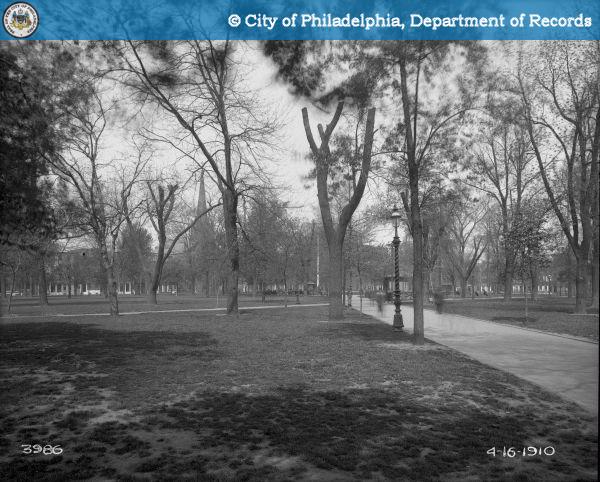
Broad shot FS 1910

The Gillam family lived across the street from Franklin Square (above) which was one of the original green spaces designated by William Penn. It often was not green! During the Revolutionary War, it was an ammunition depot and, then, the northwest corner of the plot was used as a cemetery that contained many Yellow Fever victims. It fell into serious misuse being utilized as a dumping ground for garbage, dead animals and the human waste gathered from cesspool and sinks (outhouses). But by 1837, it was on its way to becoming a real park with a fountain in the middle of the crisscrossed walking paths.

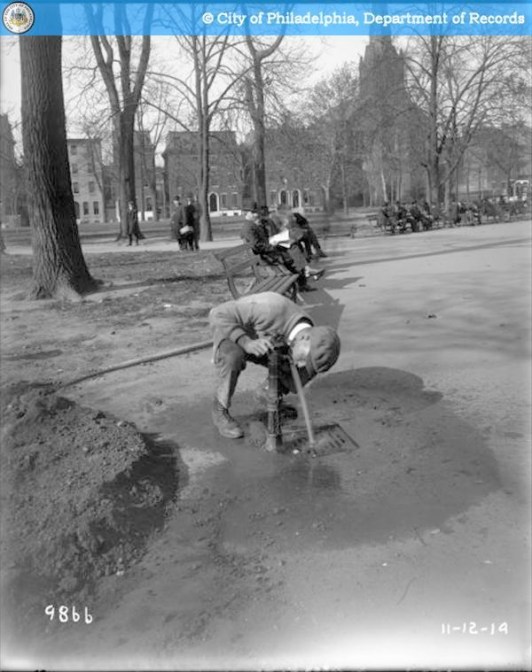
FS Black boy 1914

1914 photo of a boy getting a drink of water from a spigot at Franklin Square.

The Gillam family buried their baby son and brother at the Bethel Burying Ground on a “pleasant day” where the morning saw no frost and temperatures rose to the mid-30s by the afternoon. 

Seventy-six-year-old Rachel Banton died on this date, November 15th, in 1848 and was buried at Bethel Burying Ground.

Posted by Terry Buckalew on November 15, 2018
Posted in: On This date. Tagged: African American burial grounds, African American cemeteries, African American History, African Methodist Episcopal Church, archaeology, Bethel Burying Ground, Mother Bethel, Mother Bethel African Methodist Episcopal Church, Philadelphia, Richard Allen. Leave a comment

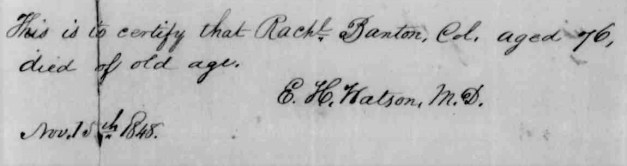
R. Banton

Seventy-six-year-old Rachel Banton died on this date, November 15th, in 1848 of “old age” and was buried at Bethel Burying Ground. I believe she was the spouse of William B. Banton. The couple likely lived with an adult married child, his or her spouse, and their two children. The 1847 African American Census reported the children were between the ages of five and fifteen years old.

1837 Banton

The Bantons reported to the 1837 African American Census taker that there was a total of five in the family who were all born in Pennsylvania. The Bantons reported they were free-born.

Ms. Banton worked as a laundress and Mr. Banton as a bootblack. In the 1847 Philadelphia African American Census, he reported earning $20 a month or approximately $640 in 2018 value. In 1847, the rent for a room at 233 S. 9th Street was $5 a month or approximately $160 in 2018 value.

Screenshot 2018-11-15 12.44.44

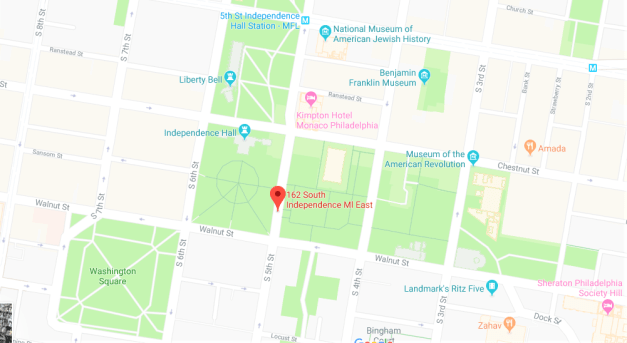
The Bantons lived across 5th Street from what is now Independence Mall.

Rachel Banton worked as a laundress. A job that taxed her body and spirit. Water had to be drawn and carried from the nearest hydrant, firewood had to be obtained, fires had to be started and heavy bundles of clothes had to be picked up and returned to her customers after the clothes and sheets were hung up, dried and folded. All this in the wilting heat and freezing cold, while taking care of children, shopping for and preparing the family’s meals, and, on occassion, while pregnant. It was an undertaking for only the strong and strong-willed. The sketch and photo below illustrate the difference between the romanticized version and the reality of a Black laundress in the 19th Century.

The Laundress
Washer Woman

Rachel Banton was buried at Bethel Burying Ground on a day that began “frosty” with the temperature rising to 53 degrees in the afternoon of a “fine” day.

Seven-month-old Benjamin Wilson died this date, November 10th, in 1825 and was buried at Bethel Burying Ground.

Posted by Terry Buckalew on November 10, 2018
Posted in: On This date. Tagged: African American burial grounds, African American cemeteries, African American History, African Methodist Episcopal Church, archaeology, Bethel Burying Ground, Mother Bethel, Mother Bethel African Methodist Episcopal Church, Philadelphia, Richard Allen. Leave a comment

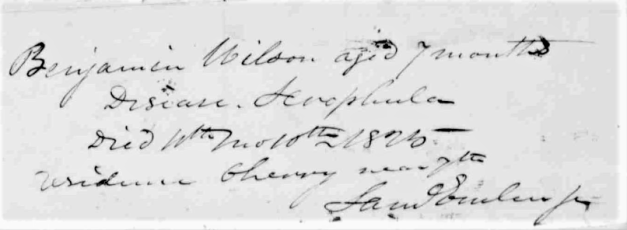
WILSON

Seven-month-old Benjamin Wilson died this date, November 10th, in 1825 of Scrofula and was buried at Bethel Burying Ground. Scrofula is a disease in which the bacteria that causes tuberculosis can create symptoms outside the lungs. This usually takes the form of inflamed and extremely painful lymph nodes in the neck. Today the infection is cured with antibiotics which did not exist in 1825.

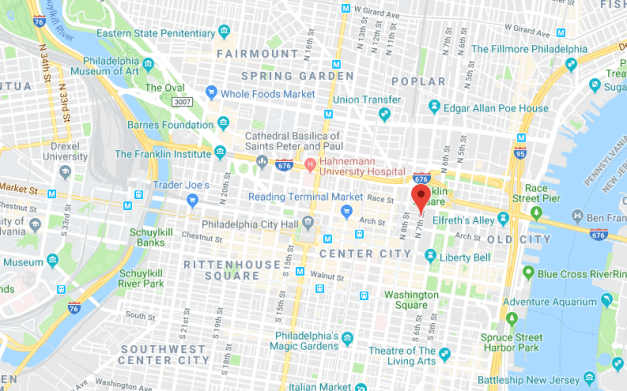
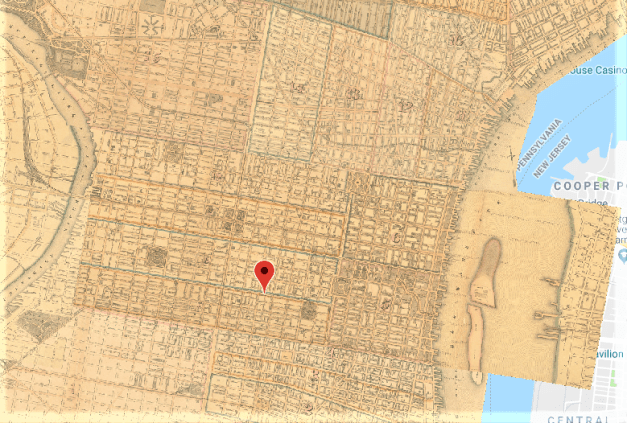
Cherry Street map.png

The 1824 Philadelphia City Directory reports that a Mr. James Wilson, a Black man, resides at 7th and Cherry Streets which was also the address of the deceased child. The red pin on the map above indicates that location in the city. Mr. Wilson’s occupation is listed as “oysterman.” Oysters were the fast food of the 18th and 19th century in Philadelphia. Mr. Wilson’s income would not have been steady because of the variability of the weather and the seasonal availability of oysters. Mr. Wilson, like all Black vendors regardless of their wares, was subject to violent attacks in Philadelphia by thieves and gangs. There was nothing remotely romantic or nostalgic about what these men and women had to do to eke out a living.

Newspaper

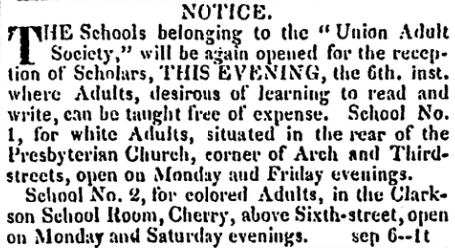
“Poulson’s American Daily Advertiser,” September 6, 1824.

Coincidently, the Wilson family lived doors away on Cherry Street from the office of The Pennsylvania Society for the promotion of the Abolition of Slavery, the relief of free Negroes held in bondage, and for improving the condition of the Negro race. This organization lobbied for the rights of Black men and women and provided legal representation for captured fugitives from slavery and for African Americans kidnapped by gangs of slave catchers. In addition, they established schools for Black children and adults in their “plain neat building” erected for this purpose on Cherry Street, between Sixth and Seventh Streets. It was commonly known as Clarkson Hall. If the Wilsons had other children, they likely attended this school.

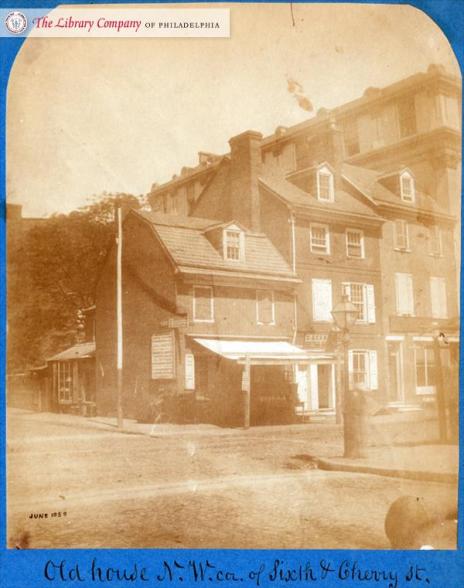
Cherry St. photo

The above is the earliest photo of the 600 block of Cherry Street taken in 1859.

The Wilson family buried seven-month-old Benjamin at Bethel Burying Ground on a cool November day where the temperature rose to an afternoon high of 47 degrees.

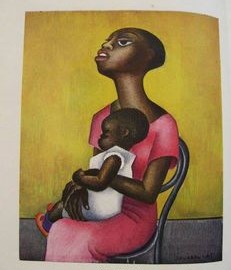
Mother and child (art)

Philadelphia Health Office records show that Baby Wilson was one of fifteen children that died of Scrofula in 1825.


The one-year-old daughter of William Chambers died this date, November 5th, in 1846 and was buried at Bethel Burying Ground.

Posted by Terry Buckalew on November 6, 2018
Posted in: On This date. Tagged: African American burial grounds, African American cemeteries, African American History, African Methodist Episcopal Church, archaeology, Bethel Burying Ground, Mother Bethel, Mother Bethel African Methodist Episcopal Church, Philadelphia, Richard Allen. Leave a comment

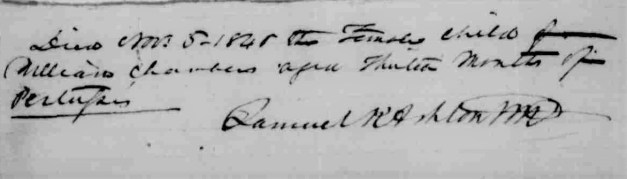
CHAMBERS

The one-year-old unnamed daughter of William Chambers died this date, November 5th, in 1846 of Pertussis or Whooping Cough. I was unable to find the name of the child’s mother in the very few public documents available. The 1847 Philadelphia African American Census reports that the Chambers were not native to Pennsylvania and that they had a son under the age of five. Mr. Chambers was employed as a stevedore or a porter who worked on the docks loading and unloading ships on the Delaware River or Schuylkill River docks. Ms. Chambers worked in the home.

QUINCE

The map above shows the approximate location of the Chambers’ home at 30 Quince Street located between Lombard and Walnut Streets and 11th and 12th Streets. The family lived in a 12’x12′ room, for which they paid $1.75 with an approximate 2018 value of $57.37. The Chambers reported to the 1847 Census taker that they owned $50 in personal property which is equivalent to $1,639.21 in 2018.  

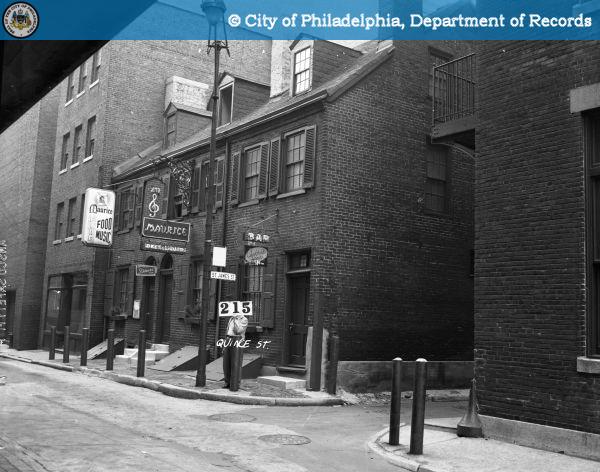
Quince Street

The above is a photograph of Quince Street in 1961. The thoroughfare no longer exists. It is was covered by Thomas Jefferson University Hospital buildings.

Quince Street in 1847 was home to thirty-one Black families including the Chambers family. It was where the poor working class and the destitute lived side by side. The Black men and women on the narrow cobblestone lane worked as shoemakers, laundresses, dressmakers, coachmen, waiters, china packers, cabinet makers, undertakers and the layers out of the dead. The last being a highly respected female occupation that was the early forerunner of a funeral director. A great number of the children who grew up on Quince Street likely went to school right on their street. Ms. Diana Smith, an African American teacher, ran a school for Black children beginning in 1836. For the next twenty-five years, she would take an average of 25-30 students a year, male and female, into her home and teach them reading, writing, and math. 

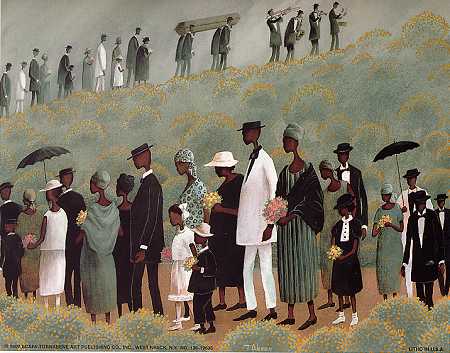
Black funeral

The Chambers family buried their baby daughter on a clear day in November where the temperature rose to 65 degrees by the late afternoon.


Sixty-two-year-old Hannah Claxton died this date, October 29th, in 1848 and was buried at Bethel Burying Ground.

Posted by Terry Buckalew on October 29, 2018
Posted in: On This date. Tagged: African American burial grounds, African American cemeteries, African American History, African Methodist Episcopal Church, archaeology, Bethel Burying Ground, Mother Bethel, Mother Bethel African Methodist Episcopal Church, Philadelphia, Richard Allen. Leave a comment

CLAXTON

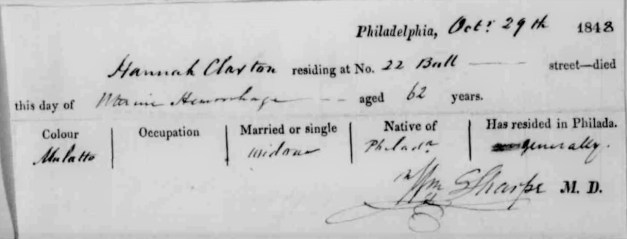
Sixty-two-year-old Hannah Claxton died this date, October 29th, in 1848 of a “Uterine Hemorrhage” and was buried at Bethel Burying Ground. She was employed as a “pastry cook” earning $6 a week, according to the 1847 Philadelphia African American Census. Ms. Claxton, a widow, lived in a room at 22 Ball Street for which she paid $6 a month, one week’s earnings. Six dollars in 1848 is equivalent to approximately $174 in 2018.

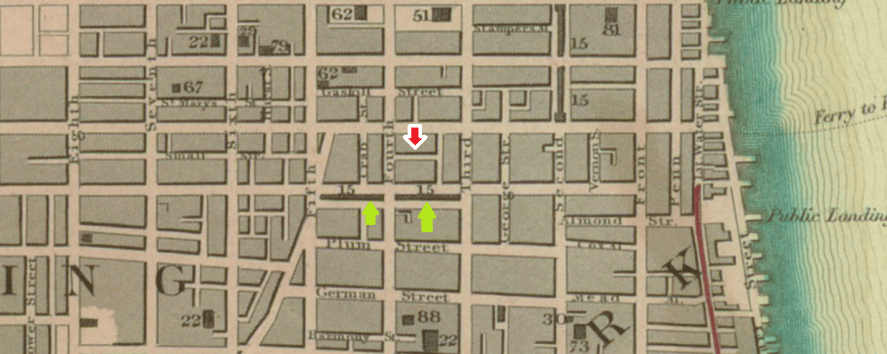
Shippen Street Market 2

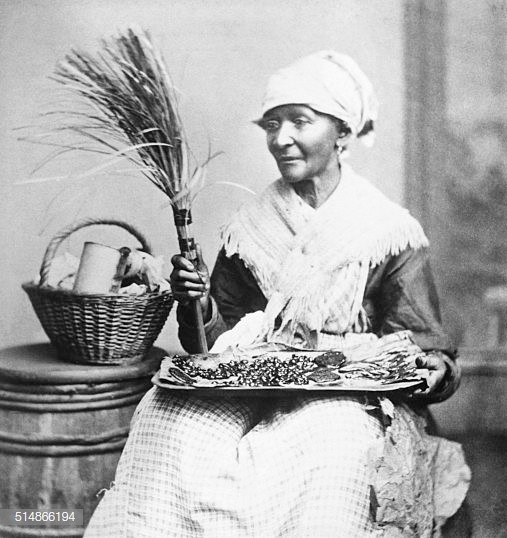
Ms. Claxton (red arrow) lived close to the Shippen Street Market (green arrows). Shippen Street is now named Bainbridge Street It was a two block long open-air market with stalls and was the center of the local neighborhood. It is likely that Ms. Claxton sold her baked goods there or she provided them to a huckster or vendor. It was a highly unsanitary place to live near. There were constant complaints to the Board of Health concerning the piles of rotting vegetables and spoiled meat that were thrown into the streets by the market’s vendors. After the businesses closed for the evening, the sheds became home to locals gangs who would terrorize local citizens. 

(Original Caption) A Negro woman vendor. Stereoscopic view. ORIGINAL CAPTION.

Ms. Hannah Claxton was laid to rest on an autumn day that began cool and with the temperature rising to an unseasonable 68 degrees by 2pm. 


Seventy-five-year-old Roland Lewis died this date, October 27th, in 1844 and was buried at Bethel Burying Ground.

Posted by Terry Buckalew on October 27, 2018
Posted in: On This date. Tagged: African American burial grounds, African American cemeteries, African American History, African Methodist Episcopal Church, archaeology, Bethel Burying Ground, Mother Bethel, Mother Bethel African Methodist Episcopal Church, Philadelphia, Richard Allen. Leave a comment

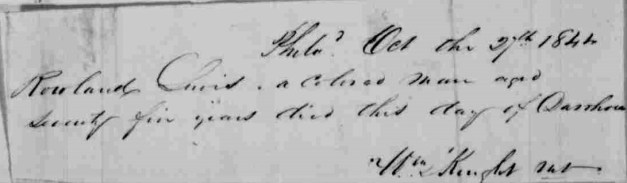
ROLAND LEWIS CERTIFICATE

Seventy-five-year-old Roland Lewis* died this date, October 27th, in 1844 from the effects of diarrhea which was a symptom of an undiagnosed illness. In the 1836 Philadelphia African American Census, Mr. Lewis reported that he was employed as a laborer and his spouse as a cook. Ms. Lewis’ name was not recorded, however, I believe it to be Tabatha Lewis. She passed away on February 4, 1843, at seventy-two-years-old of “Inflammation of the Stomach and Bowels” and was buried at Bethel Burying Ground, according to Philadelphia Board of Health death certificates.

Roland Lewis

Above is a snapshot of the Lewis family’s entry in the 1836 Philadelphia African American Census. The entry continues to report that Mr. and Ms. Lewis were born into enslavement and were freed through manumission. The elderly couple lived at 75 George Street on the same block as the Philadelphia Looking Glass and Picture Frame Company, the Sewing Machine Manufacturing Company and a jar and can sealing factory. George Street no longer exists. It is now covered by a Thomas Jefferson University Hospital building.

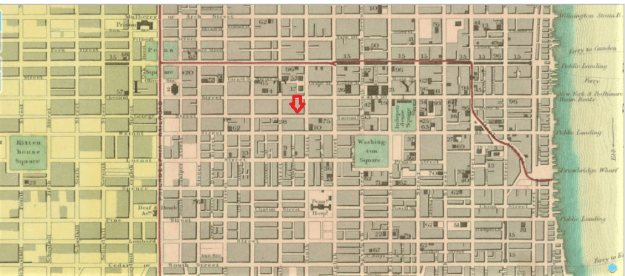
George Street Map

The red arrow above points to the approximate location of the Lewis’ home at 75 George Street in center city Philadelphia.

Roland Lewis was buried next to his spouse on a cloudy day where the temperatures ranged from 40 degrees to 66 degrees. Storm clouds built during the evening that resulted in a violent storm the next day with thunder and flashes of “vivid lightning.”

IMG_1442


*”Roland” is occasionally spelled “Rowland” in some documents.

On this date, October 25th, through the years.

Posted by Terry Buckalew on October 25, 2018
Posted in: On This date. Tagged: African American burial grounds, African American cemeteries, African American History, African Methodist Episcopal Church, archaeology, Bethel Burying Ground, Mother Bethel, Mother Bethel African Methodist Episcopal Church, Philadelphia, Richard Allen. Leave a comment

There are times I cannot find biographical information on individuals, beyond what is on their death certificates. No matter – they rightfully deserve to have their names said out loud.


Eight-year-old Sarah Moss died from burns on October 25, 1820, and was buried at BBG. Her mother was Phoebe Moss.

Twenty-five-year-old William Morris died from Tuberculosis on October 25, 1826, and was buried at BBG.

One-week-old Baby Burneck died due to convulsions on October 25, 1828, and was buried at BBG. The child’s father was James Burneck.

Thirty-year-old Mary Pennock died of Tuberculosis on October 25, 1846, and was buried at BBG.

Two-year-old George Henry Harvey died due to convulsions on October 25, 1850, and was buried at BBG.

PEACE

PEACE


Note: On October 25, 1825, the Trustees of Bethel Church resolved that the fence at the burial ground in Queen Street (BBG) be repaired. (Minute & Trial Book 1822-1835 & 1838-51, p.13.)


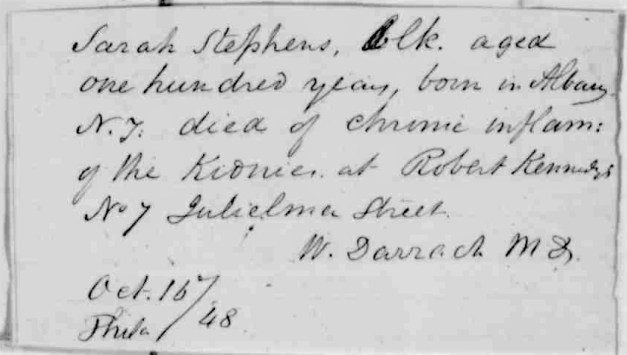
One-hundred-year-old Sarah Stephens died this date, October 16th, in 1848 and was buried at Bethel Burying Ground.

Posted by Terry Buckalew on October 16, 2018
Posted in: On This date. Tagged: African American burial grounds, African American cemeteries, African American History, African Methodist Episcopal Church, archaeology, Mother Bethel, Mother Bethel African Methodist Episcopal Church, Philadelphia, Richard Allen. Leave a comment

Sarah Stephens

One-hundred-year-old Sarah Stephens died this date, October 16th, in 1848 of kidney disease and was buried at Bethel Burying Ground. Ms. Stephens worked as a seamstress, according to the 1847 African American Census. She was born in Albany, New York in 1748 during the time the Dutch settlers of Albany were still engaged in warfare with the union of Native Americans, known as the Six Nations. Enslaved Black men and women were reported to be in Albany as early as 1697. They were readily available to Dutch merchants and farmers because the settlement was on the Hudson River with easy waterway access from New York City. It is likely that Ms. Stephens was an ancestor of these early enslaved people.

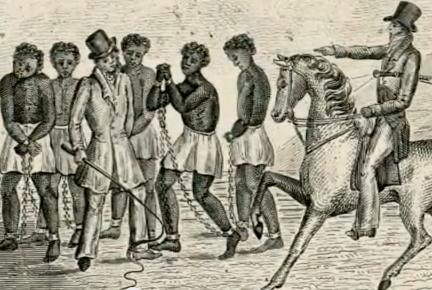
Slavery-in-New-York

On March 14, 1794, two young enslaved girls were hanged in Albany, N.Y. One was named Dinah, aged 14. The other was named Bett, just 12. A month later, a 16-year-old enslaved male named Pompey was hanged. All were accused of inciting rebellion.

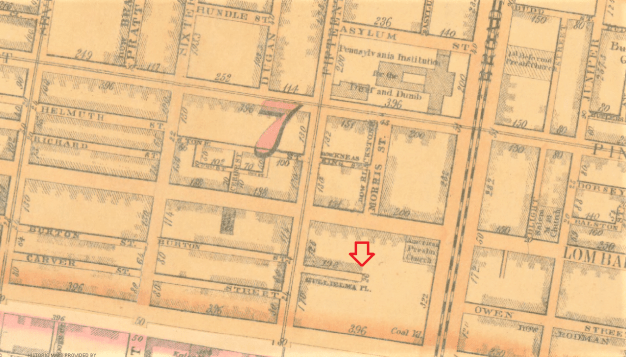
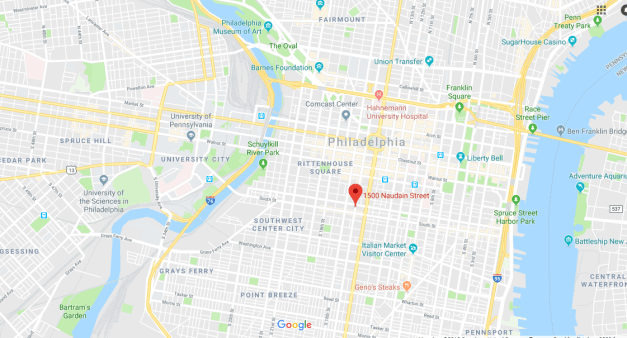
Sarah Stephens lived with the Kennedy family in what was the southwestern part of the unconsolidated city at the time of her death. Robert and Liddey Kennedy, both 28 years of age, lived at #7 Gulielma Place with their two children, Robert R. (4) and Elizabeth (3). Both adults reported that were employed as musicians and house painters (whitewashers), according to the 1847 Philadelphia African American Census. There is no indication in census records of the blood relation, if any, with the Kennedy’s. Mr. Kennedy was born in Maryland while Ms. Kennedy was born in Delaware, according to the 1850 U.S. Census.G Street

Naudain Street

The first map shows the location of the Kennedy/Stephens home on a map of the time period. The second map shows the location in the city. Gulielma Place is now known as Naudain Street.

Sadly, the Kennedy’s lost a five-month-old daughter to intestinal disease in May of 1842. She was buried at Bethel Burying Ground which may have had something to do with Ms. Stephens also being interred there. Ms. Stephens was buried on a cloudless Autumn day where the temperature rose to 76 degrees by late afternoon.

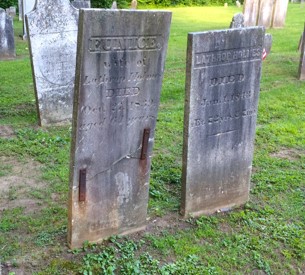
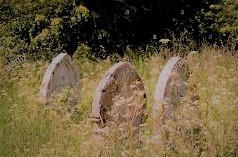
3 tombstones


Six-month-old Thomas Summersett died this date, October 10th, in 1812 and was buried at Bethel Burying Ground.

Posted by Terry Buckalew on October 10, 2018
Posted in: On This date. Tagged: African American burial grounds, African American cemeteries, African American History, African Methodist Episcopal Church, archaeology, Bethel Burying Ground, Mother Bethel, Mother Bethel African Methodist Episcopal Church, Philadelphia, Richard Allen. Leave a comment

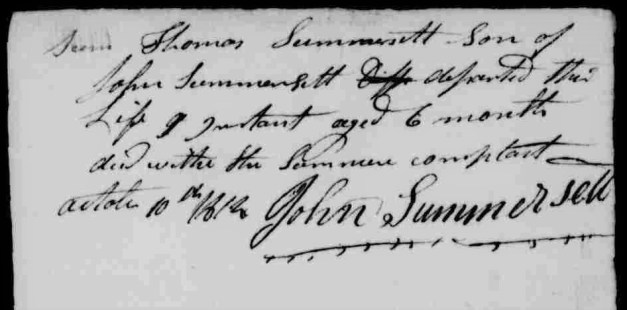
SOMMERSETT

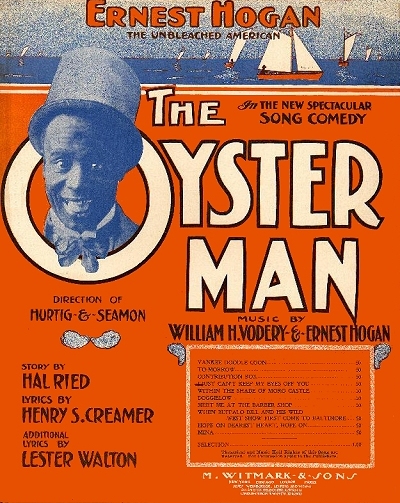
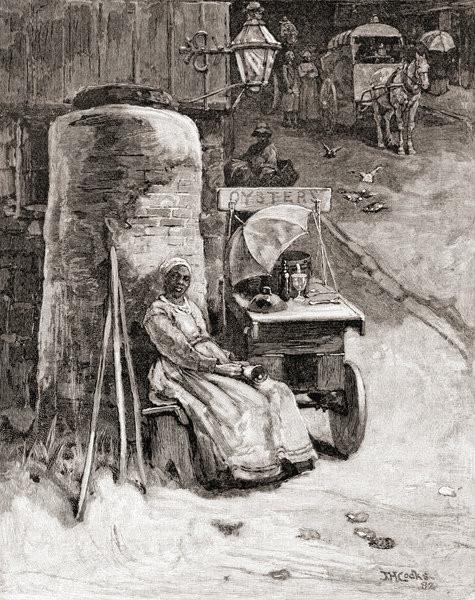
Six-month-old Thomas Summersett* died this date, October 10th, in 1812 of “Summer Complaint” (Cholera) and was buried at Bethel Burying Ground. John Summersett was the child’s father. There is no available information on the child’s mother. Mr. Summersett worked as an oysterman. Many white historians and artists have represented these Black men and women who labored in this profession in an old-time romantic light. It was a racist image of a happy go lucky “darky” who would sing while hawking his or her goods. The reality was quite different. 

oysterman song

1-oyster seller

Oysters were the fast food of the 18th and 19th century. The oyster vendor above has forks, plates, and condiments available for her customers. Her income would not have been steady because of the weather and the seasonal availability of the oysters. All Black vendors, regardless of their wares, were subject to violent attacks by thieves and white gangs. There was nothing remotely romantic or nostalgic about what these men and women had to go through just to live in poverty.

It is likely that Mr. Summersett was one of the “Black Warriors.” In 1812, there was a looming threat of the British invading Philadelphia. The Engineer Corps of the U.S. Army requested assistance from the Black citizens of Philadelphia in erecting ramparts or breastwork on the west side of the Schuylkill, near Gray’s Ferry. The African American community’s response was robust. Black religious leaders Richard Allen and Abasolon Jones organized a company of at less a thousand Black men. Some estimates go as high as 2,500. 

Screenshot 2018-10-09 09.48.58

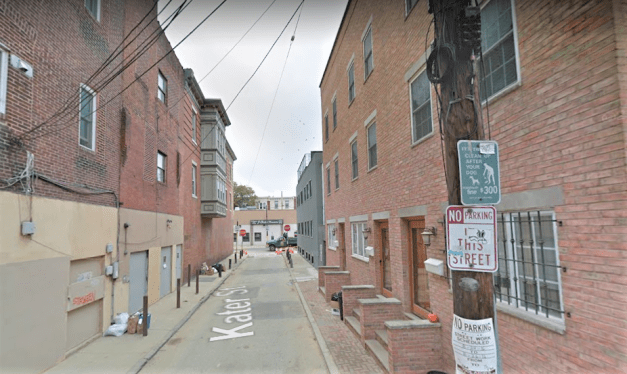
The above is a present-day photograph of Small Street (now Kater Street) in South Philadelphia where the Summersett family resided. The street was near an outdoor market. Consequently, there was a large number of residents employed as grocers, cake bakers, fishmongers and biscuit makers.

The Summersett family buried their six-month-old son on an autumn day in 1812 at Bethel Burying Ground.

********************

Historical Note: On this date, October 10th, in 1887 there were two separate nuisance complaints filed against Bethel AME Church for the lack of upkeep of Bethel Burying Ground.

*”Sommersett” is an alternative spelling of “Summersett.”

Posts navigation

← Older Entries
Newer Entries →
  • Recent Posts

    • Three dead as church wall falls on this date, May 1st, in 1841.
    • The ten-month-old Baby Colgate died this date, June 20th, in 1847, and was buried at Bethel Burying Ground.
    • Fifty-eight-year-old Rachel Dawson died this date, May 3rd, in 1839, and was buried at Bethel Burying Ground.
    • Twenty-eight-year-old Robert Swails died on this date, March 31st in 1849, and was buried at Bethel Burying Ground.
    • Forty-year-old Jacob “Jesse” Howard died on this date, January 29th, in 1840, and was buried at Bethel Burying Ground.
  • Archives

    • May 2024
    • June 2023
    • May 2023
    • March 2023
    • January 2023
    • December 2022
    • November 2022
    • October 2022
    • September 2022
    • August 2022
    • May 2022
    • April 2022
    • March 2022
    • February 2022
    • January 2022
    • December 2021
    • November 2021
    • October 2021
    • September 2021
    • August 2021
    • July 2021
    • June 2021
    • May 2021
    • April 2021
    • March 2021
    • February 2021
    • January 2021
    • December 2020
    • November 2020
    • October 2020
    • September 2020
    • August 2020
    • July 2020
    • June 2020
    • May 2020
    • April 2020
    • March 2020
    • February 2020
    • January 2020
    • December 2019
    • November 2019
    • October 2019
    • September 2019
    • August 2019
    • July 2019
    • June 2019
    • May 2019
    • April 2019
    • March 2019
    • February 2019
    • January 2019
    • December 2018
    • November 2018
    • October 2018
    • September 2018
    • August 2018
    • July 2018
    • June 2018
    • May 2018
    • April 2018
    • March 2018
    • February 2018
    • January 2018
    • December 2017
    • November 2017
    • October 2017
    • September 2017
    • August 2017
    • July 2017
    • June 2017
    • May 2017
    • April 2017
    • March 2017
    • February 2017
    • January 2017
    • December 2016
    • November 2016
    • October 2016
    • September 2016
    • August 2016
    • July 2016
    • June 2016
    • May 2016
    • April 2016
    • March 2016
    • February 2016
    • January 2016
    • December 2015
    • November 2015
    • October 2015
    • September 2015
    • August 2015
    • July 2015
    • June 2015
    • May 2015
    • April 2015
    • March 2015
    • February 2015
    • January 2015
    • December 2014
    • November 2014
    • October 2014
  • Categories

    • Archaeology
    • BBG History
    • Bethel Burying Ground Name Directory
    • Bethel Burying Ground Timeline
    • Burial services
    • Diseases
    • Documents
    • Freemasonry
    • Ignatius Beck
    • It's a fact
    • Maps
    • Neighborhood
    • Newspaper Articles
    • On This date
    • Photographs
    • Uncategorized
    • Videos
  • Meta

    • Create account
    • Log in
    • Entries feed
    • Comments feed
    • WordPress.com
Blog at WordPress.com.
Bethel Burying Ground Project
Blog at WordPress.com.
  • Subscribe Subscribed
    • Bethel Burying Ground Project
    • Join 48 other subscribers
    • Already have a WordPress.com account? Log in now.
    • Bethel Burying Ground Project
    • Subscribe Subscribed
    • Sign up
    • Log in
    • Report this content
    • View site in Reader
    • Manage subscriptions
    • Collapse this bar
 

Loading Comments...