Bethel Burying Ground Project

Bethel Burying Ground Project

  • ABOUT THE BETHEL BURYING GROUND PROJECT

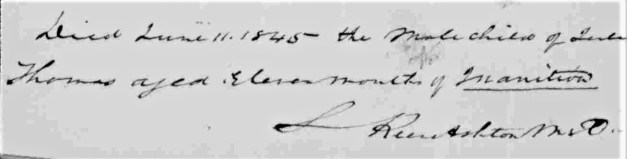
The eleven-month-old son of Julia Thomas died this date, June 11th, in 1845 and was buried at Bethel Burying Ground.

Posted by Terry Buckalew on June 11, 2019
Posted in: On This date. Tagged: African American burial grounds, African American cemeteries, African American History, African Methodist Episcopal Church, archaeology, Bethel Burying Ground, Mother Bethel, Mother Bethel African Methodist Episcopal Church, Philadelphia, Richard Allen. Leave a comment

THOMAS Us

The eleven-month-old unnamed son of Julia Thomas died this date, June 11th, in 1845 of Inanition (starvation) and was buried at Bethel Burying Ground. Inanition may arise from diabetes or thyroid hormone disease. Two years after the death of her son, the 1847 Philadelphia African American Census shows Ms. Thomas the head of a small family that consisted of another woman and a female child. Ms. Thomas was employed as a “day worker” while the other adult was employed as a  washerwoman. The child attended the St. Mary Street School.
City map

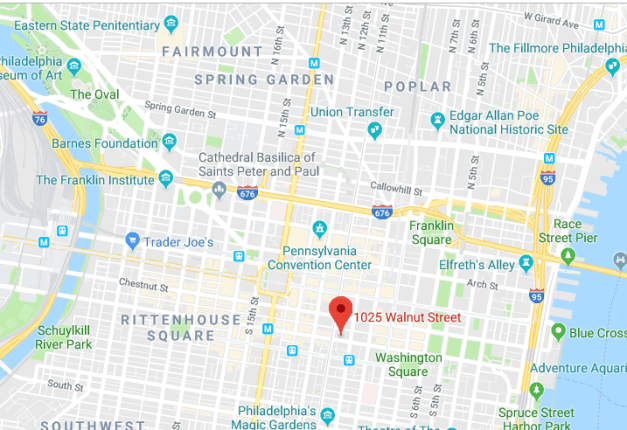
The red pin illustrates the location of Currant Alley in 1845. The alley no longer exists.

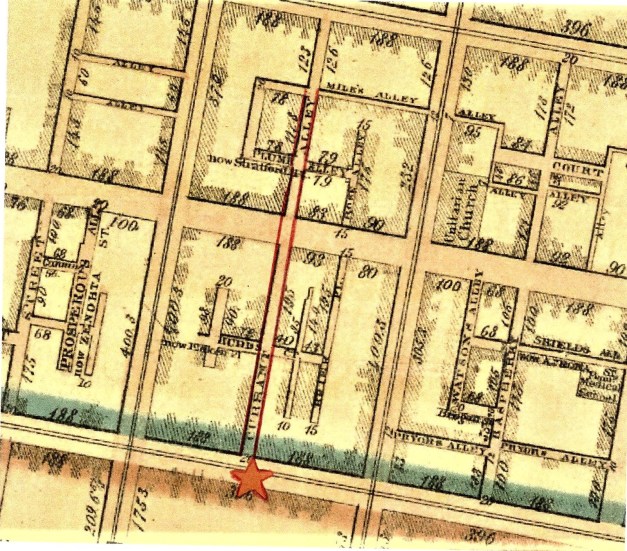
City directories and the 1847 Census report Ms. Thomas’ address as #39 Currant Alley in center city Philadelphia. Currant Alley was a two-city-block long narrow thoroughfare. Ms. Thomas paid $3.25 a month for one room where the three family members resided. With the two women working, they would be lucky to bring that amount home in a week.
Scan

The star indicates the two city block long Currant Alley.

Ninety-six Black families lived in the densely packed alley with a staggering total of three hundred twenty-one Black family members, according to the 1847 Census. The Census also showed that the Currant Alley adults were solidly working class, having a wide range of laboring and domestic jobs to which African American men and women were restricted. The Thomas family attended church services regularly and contributed to a beneficial society, as did many of their neighbors. 
120404084815-catlett-c1-main

Julia Thomas’ son was one of thirty-five Philadelphia children that died in 1845 with the diagnosis of Inanition. The child was buried at Bethel Burying Ground on a cloudy June day on which the temperature rose to 84 degrees.
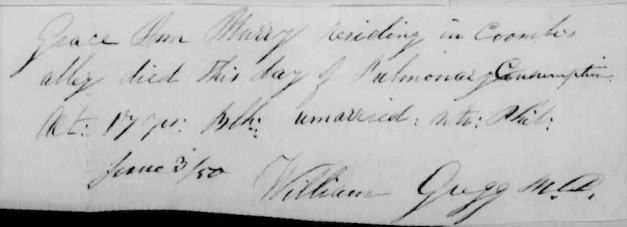


Seventeen-year-old Grace Ann Murray died this date, June 3rd, in 1850 and was buried at Bethel Burying Ground.

Posted by Terry Buckalew on June 3, 2019
Posted in: On This date. Tagged: African American burial grounds, African American cemeteries, African American History, African Methodist Episcopal Church, archaeology, Bethel Burying Ground, Mother Bethel, Mother Bethel African Methodist Episcopal Church, Philadelphia, Richard Allen. Leave a comment

GRACE ANN MURRAY

Seventeen-year-old Grace Ann Murray died this date, June 3rd, in 1850 of Tuberculosis and was buried at Bethel Burying Ground. She was born in Philadephia and was unmarried at the time of her death. She resided in Coombe’s Alley, according to her death certificate. The 1847 Philadelphia African American Census shows a ‘James Murray’ as the head of a family in Coombe’s Alley. He was employed as a waiter earning $3 a week. His spouse, Margaret Murray, worked as a wash woman earning $3.50 a week. They paid $4 a month for the rent of rooms at #5 Coombe’s Alley.

James and Margaret Murray reported to the census taker the following information for the 1850 U.S. Census.

Name                                    Age                        Born in

James Murray                   33y                         PA

Margaret Murray             26y                         PA

Louisa Murray                   9y                          PA

Thomas Murray                5y                          PA

Angeline Murray              3y                          PA

Robert Murray                  <1y                        PA

Racy Ann Murray             16y                         PA 

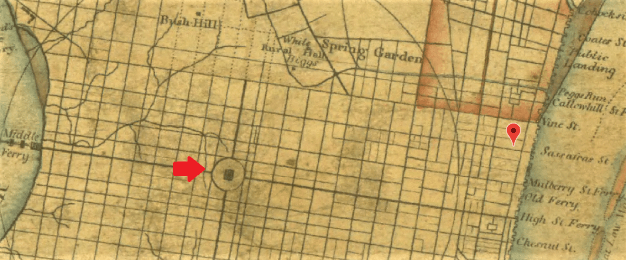
Coombe's map

The red pin illustrates the location of Coombe’s Alley near the Delaware River wharves. The red arrow illustrates Penn Square the future home of the current city hall.

In the 1793 Yellow Fever epidemic in Philadelphia, Coombe’s Alley is known for the tragic loss of thirty-two citizens in the narrow alley over a very short period of time. In a lighter vein, the alley is also known for a colonial tavern, Enock Story’s, where one night Quaker William Penn, Jr. became inebriated and engaged in a brawl. It is recorded that he painfully lost the encounter. 

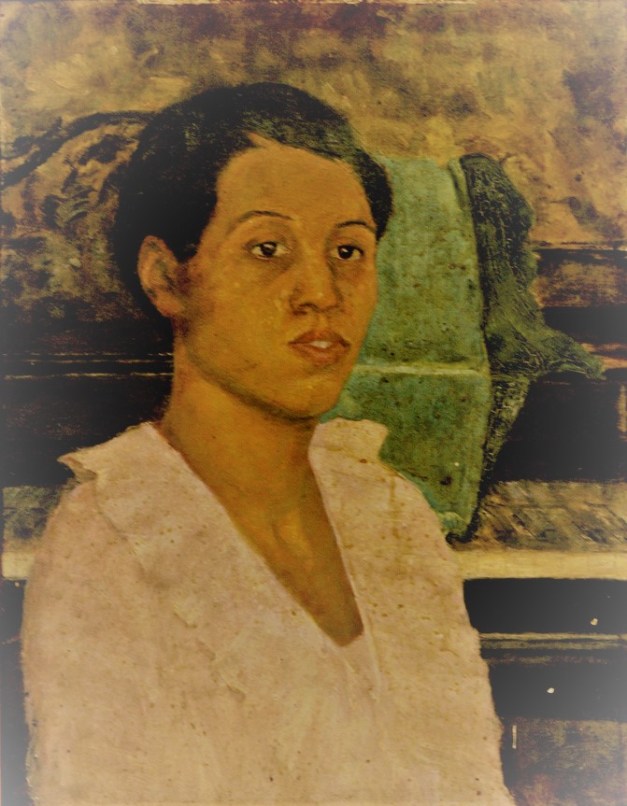
Young negro woman

Grace Ann Murray was one of the 896 Philadelphians that succumbed to Tuberculosis in 1850.  She died on a cloudless windy day in early June and was buried at Bethel Burying Ground by her family.

Official Border

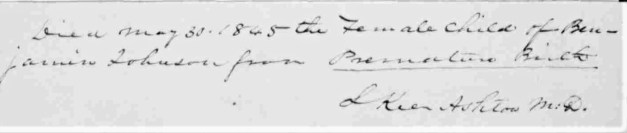
The prematurely born daughter of Benjamin Johnson died this date, May 30th, in 1845 and was buried at Bethel Burying Ground.

Posted by Terry Buckalew on May 30, 2019
Posted in: Uncategorized. Leave a comment

JOHNSON

The prematurely born daughter of Benjamin Johnson died this date, May 30th, in 1845 and was buried at Bethel Burying Ground. The child’s mother is not identified and it appears the family is not recorded in the 1850 U.S. Census where her name would be reported.

The 1847 African American Census shows that Mr. and Ms. Johnson had three children: one daughter and two sons. One was under five years old and two were between five and fifteen years old. All the children and their parents were born in Pennsylvania. They lived in one or two rooms on Little Oak Street for which they paid $5 a month in rent. Mr. Johnson was employed as an oysterman (seller) and Ms. Johnson’s occupation was reported as an oyster dealer. 

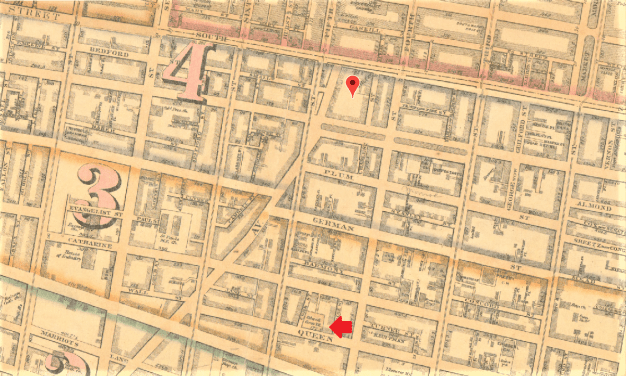
Johnson Map

The red pin illustrates the approximate location of the Johnson residence. The red arrow illustrates the location of Bethel Burying Ground.

The Johnson family lived on a short narrow thoroughfare in the Southwark District of Philadelphia County. Little Oak Street was located near the intersection of 5th and Shippen (now Bainbridge) Streets. Although small, this passageway was home to twenty industrious Black families, totaling almost 100 members. The occupations of the residents included brickmaker, seaman, hominy dealer, barber, domestic, laundress, and several other oyster dealers and sellers. Little Oak Street no longer exists.

Horribly, three years before the Johnsons lost their daughter, this community was shattered by marauding racist gangs of Irish immigrants. They invaded the Black neighborhoods that specifically included Little Oak Street and the surrounding alleys and courts.* The local police were overwhelmed and could not stop the murders, beatings, and arson. Only after the military was called out with pieces of artillery did the horror subside after days of the rampage. 

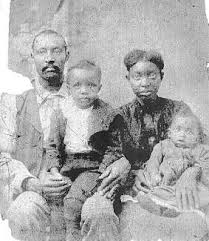
Family Black

The Johnson baby died on a cool day in May where the temperature dropped to 40 degrees in the evening. She was buried at Bethel Burying Ground by her family.

Official Border

*Severely affected by the mobs were nearby Baker Street, Clymer Street, and Fitzwater Street from Thirteenth Street down to the Delaware River. (History of Philadelphia, Scharf & Westcott, p. 660 -661.)

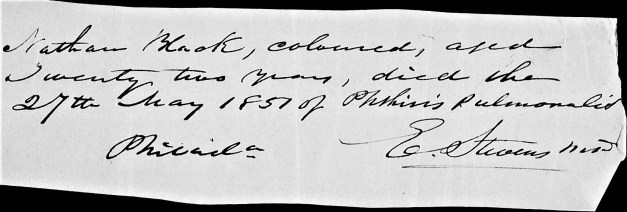
Twenty-two-year-old Nathan Black died this date, May 27th, in 1851 and was buried at Bethel Burying Ground.

Posted by Terry Buckalew on May 27, 2019
Posted in: On This date. Tagged: African American burial grounds, African American cemeteries, African American History, African Methodist Episcopal Church, archaeology, Bethel Burying Ground, Mother Bethel, Mother Bethel African Methodist Episcopal Church, Philadelphia, Richard Allen. Leave a comment

Nathan Black

Twenty-two-year-old Nathan Black died this date, May 27th, in 1851 of Tuberculosis and was buried at Bethel Burying Ground. There is not a great deal of information on this young man. He was born in Maryland, according to the 1850 U.S. Census, and was living with Mary Jane Winter who was seventeen-years-old and born in Pennsylvania. Neither one reported an occupation. Although at this point, Mr. Black may have been too ill to work.

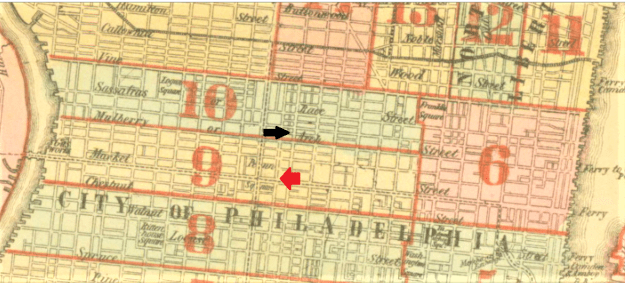
The 1850 Census shows the couple living in the South Mulberry Ward of the pre-consolidated city. Neither Mr. Black or Ms. Winter are listed in the 1847 Philadelphia African American Census or city directories. Census data places the young couple living near the intersection of 12th and Mulberry Streets. Mulberry is now named Arch Street and is located near what is now City Hall. 

ARCH STREET

The black arrow shows the approximate location of Mr. Black’s residence. The red arrow is the location of Penn Square, now City Hall.

Nathan Black died on a clear and fair day in late spring with the temperature rising to 81 degrees. He was buried at Bethel Burying Ground. 

Official Border

*The census taker interviewed Mr. Black on 9 August 1850. Mr. Black’s skin color was reported as “mulatto.”

Forty-five-year-old Mary Polk died this date, May 25th, in 1850 and was buried at Bethel Burying Ground.

Posted by Terry Buckalew on May 25, 2019
Posted in: On This date. Tagged: African American burial grounds, African American cemeteries, African American History, African Methodist Episcopal Church, archaeology, Bethel Burying Ground, Mother Bethel, Mother Bethel African Methodist Episcopal Church, Philadelphia, Richard Allen. Leave a comment

MARY POLK

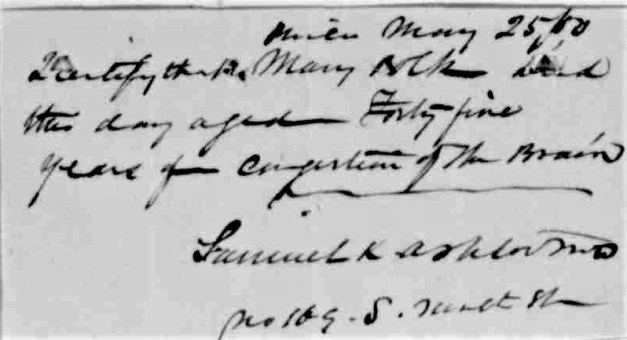
Forty-five-year-old Mary Polk died this date, May 25th, in 1850 of “Congestion of the Brain”* and was buried at Bethel Burying Ground. Ms. Polk was the head of her family and was able to participate in the 1850 U.S. Census before she died. In this census, she did not report an occupation, probably because she was so ill. In the 1847 Philadelphia African American Census, she listed her occupation as wash woman earning $75 a year.

At the time of her death, her children were as follows: Caroline (18 years old) who worked as a wash woman, William (16) who worked as a barber’s apprentice and Richard (13) who attended the 6th and Lombard School. All the children were born in Pennsylvania. Ms. Polk was born enslaved in Virginia. I could find no reference to a spouse.

Polk map

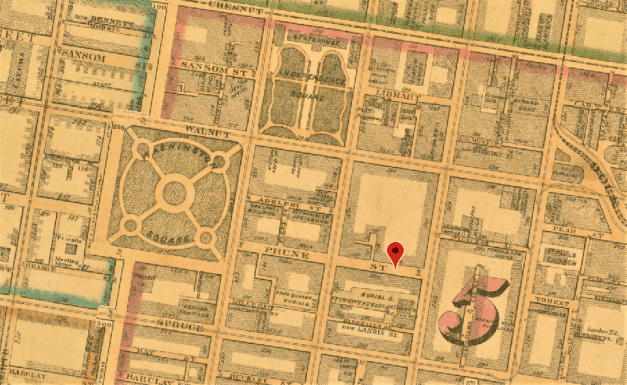
The Polk family resided in the rear of #11 Prune Street now, 411 Locust Street (Red pin above).  The address is a block from Washington Square and two blocks from Independence Hall. Their home was likely a shed or converted stable for which they paid $3 a month. The breadwinners in the family were bringing home approximately $1.50 each a week, according to the 1847 Census.

Ms. Polk escaped slavery in Virginia and sought refuge in Philadelphia. In her time in the city, she had to survive six major riots and the endless threat of street assaults by white thugs. Ms. Polk was one of the Black Philadelphians who historian Gary B. Nash observed that while they could not “hold back the storm of racial hatred,” they could fight back “by strengthening their own neighborhoods and community.” Ms. Polk was a long time member of Bethel African Methodist Episcopal Church and a contributing member of African American beneficial societies, according to the 1847 Census.

The Polk children buried their mother at Bethel Buying Ground on a rainy day in May where the temperature rose to 54 degrees.
Official Border

*”Congestion of the Brain” is a meaningless term. Ms. Polk may have died from anything from a stroke or meningitis to head trauma.

Bethel Burying Ground On This Date In History – May 24th.

Posted by Terry Buckalew on May 24, 2019
Posted in: BBG History. Tagged: African American burial grounds, African American cemeteries, African American History, African Methodist Episcopal Church, archaeology, Bethel Burying Ground, Mother Bethel, Mother Bethel African Methodist Episcopal Church, Philadelphia, Richard Allen. Leave a comment
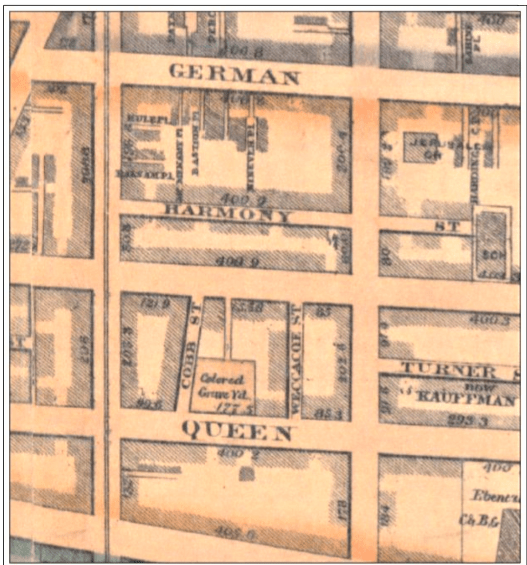
1862

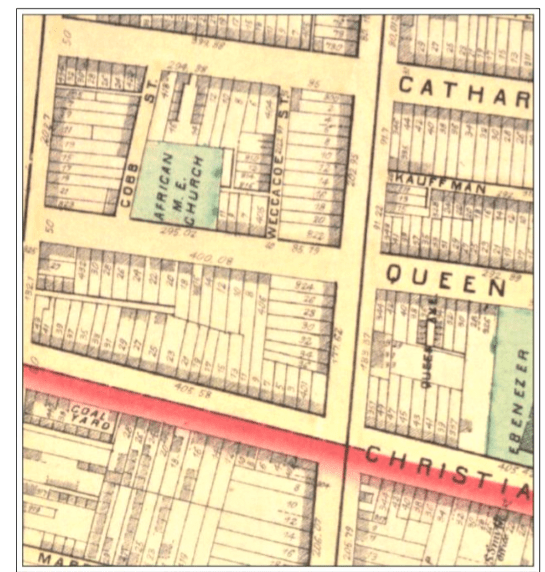
1862

24 May 1888:    Philadelphia City Councilman Roberts reports the selection of 5 plots                               of land to become new city parks. The one that is to be called                                             Weccacoe Park, in the Third Ward, “is now an old colored burying                                    ground.”

1875

1875

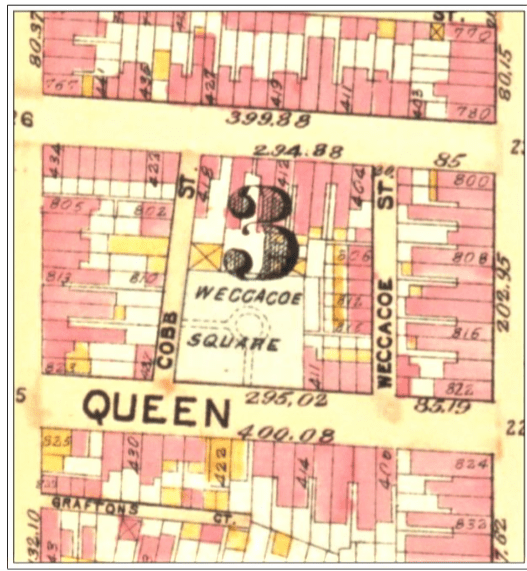
24 May 1889:       The Select Council of the City of Philadelphia transfers $10,000                                            from the Department of Public Safety for the purchase and                                                improvement of Weccacoe Square to the Department of Public                                          Works for the repaving of Queen Street between 4th and 5th streets.

1895

1895

The day old child of the Hays family died this date, May 22nd, in 1836 and was buried at Bethel Burying Ground.

Posted by Terry Buckalew on May 22, 2019
Posted in: Uncategorized. Leave a comment

Henry Hays

The day old child of Ann and Henry Hays died this day, May 22nd, in 1836 and was buried at Bethel Burying Ground. The birth was premature and the child was not able to survive. Ann, 17 years of age, was employed as a wash woman and Henry, 26 years of age, worked as a seaman and laborer, according to census and city directories. They lived in the area around Bethel AME Church at 6th and Lombard Streets. Both adults were born in Delaware. 

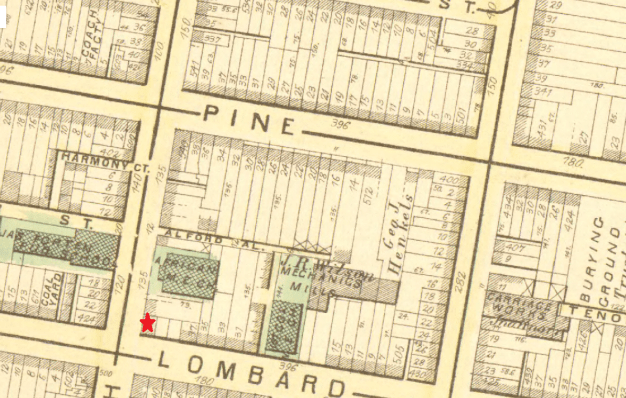
On The Corner

The Hays’ exact home address wasn’t available until the 1847 Philadelphia African American Census. They lived in a 12’x12′ room in the rear of a three-story building on the northeast corner of 6th and Lombard Streets. (See red star on the above map.) It may have been a shed or a converted stable. For this, they paid approximately $2 a month. Mr. Hays reportedly earned $4.50 a month as a seaman and Ms. Hays earned  $2.50 a month as a washwoman. The family did receive public aid in the form of firewood for the winters. 

Family Black

The 1850 U.S. Census shows that Henry and Ann Hays now had two children: John, four-years-old and Lydia A., ten-months-old. In addition, living with the family was eighty-one-year-old Dianah Brinkley who was also born in Delaware. She may have been Ms. Hays’ grandmother.

In late September and early October of 1850, the Hays family was in the epicenter of two large murderous race riots led by two savage white gangs – the “Killers” and “Stingers.” Dozens of Black men, women, and children were murdered or had their skulls cracked by bricks and cobblestones. A Black boy was shot in the head. Did the Hays family seek safety in Bethel Church? The congregants took up firearms to save their house of worship. Were the Hays part of the defense?

default

And there is this union of trial and mercy in the removal of a young child. We cannot rebel against God for taking them to heaven, and yet we cannot but mourn over our loss; what can we do  . . . (Rev. William Henry Lewis – 1857)

Ann and Henry Hays buried their newborn at the Bethel Burying Ground on a Spring day in 1836.

Twenty-two-year-old Isabel Le Count died this date, May 21st, in 1841 and was buried at Bethel Burying Ground.

Posted by Terry Buckalew on May 21, 2019
Posted in: On This date. Tagged: African American burial grounds, African American cemeteries, African American History, African Methodist Episcopal Church, AME Zion, archaeology, Bethel Burying Ground, Mother Bethel, Mother Bethel African Methodist Episcopal Church, Philadelphia, Richard Allen. Leave a comment

Isabel LeCount

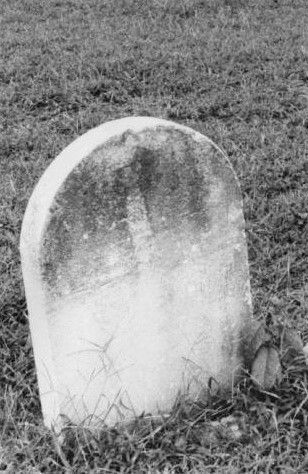
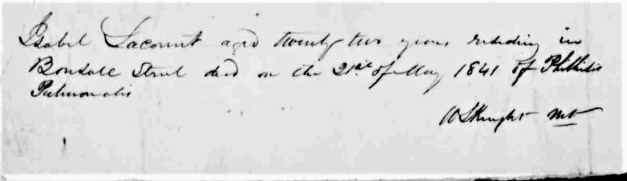
Twenty-two-year-old Isabel Le Count* died this date, May 21st, in 1841 of Tuberculosis and was buried at Bethel Burying Ground. Ms. Le Count worked as a seamstress, was unmarried and without children. She lived in her parents’ home with her brothers.

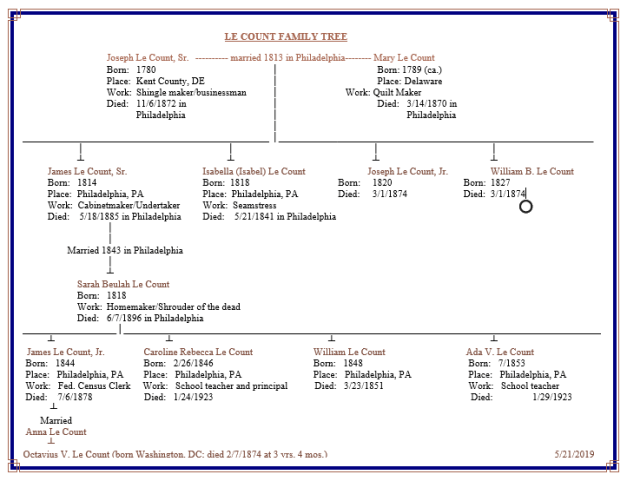
Le Count Family Treet PNG

Young Isabel Le Count was a member of one of the most important Black families in 19th Century Philadelphia African American History. Isabel’s father, Joseph, Sr., came to Philadelphia from Delaware and worked as a laborer. He went on to own a business as a shingle maker and then the proprietor of a lumberyard. Joseph Le Count, Sr. along with his brother James were trustees of Bethel AME Church for many years. They left the AME church in 1850 after having major disagreements with the leading clergy. James was a very successful restaurateur and caterer with his business across the street from the State House, now Independence Hall.

Isabel’s mother, Mary Le Count, in addition to being a homemaker, was known for her professional quiltmaking. Isabel’s Aunt Sarah Beulah Le Count was a prominent Shrouder of the Dead, an early version of a funeral director. Possibly the most renowned member of the Le Count family may have been Isabel’s Aunt Caroline Rebecca Le Count, civil rights activist and educator. Please click on the following link for more information. https://exhibits.library.villanova.edu/institute-colored-youth/graduates/caroline-lecount-bio/

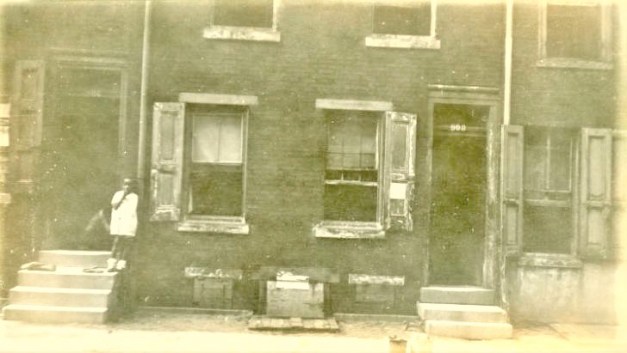
old Rodman Street

Rodman Street at the turn of the 20th Century.

The city changed the name of Bonsall Street to Rodman Street in 1860. In September of 1860, there were several white men, newspaper reporters, visiting the Black communities in the city. They came upon the section of Rodman Street that contained the Le Count home. 

“We passed with our guide up South Street to Ninth, and thence to Rodman Street. Several fine dwellings, of three and four stories, fronted with white marble, and having doors of carved stone, were exhibited upon those avenues. . . . . It is peopled almost entirely by colored families. We gazed with curiosity at the rows of tall, beautiful houses, and saw, with some interest, the clean pavements and street. In some places, fine ornamental trees stood upon the sidewalks, and to the doorways, the families of colored men were seated.” In their journey, they had not found a section of the city in such a state of “decorum.”*

1856 PHOTO

Ms. Isabel Le Count died on a hot day in May when the thermometer rose to 83 degrees, the highest of the season. She was buried by her family at Bethel Burying Ground.

Official Border

*After reviewing hundreds of documents and historic newspapers the correct spelling of the family name is “Le Count.” In addition, Isabel’s full first name is Isabella.

**Press, 4 September 1860.

Three-month-old Mary E. Gibbons died this date, May 16th, in 1843 and was buried at Bethel Burying Ground.

Posted by Terry Buckalew on May 16, 2019
Posted in: On This date. Tagged: African American burial grounds, African American cemeteries, African American History, African Methodist Episcopal Church, archaeology, Bethel Burying Ground, Mother Bethel, Mother Bethel African Methodist Episcopal Church, Philadelphia, Richard Allen. Leave a comment

Mary E. Gibbons

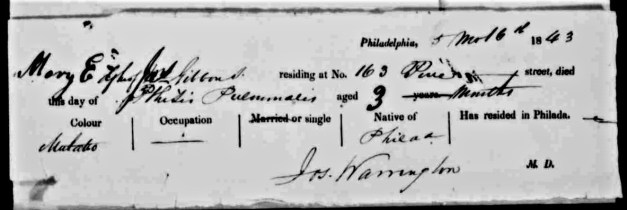
Three-month-old Mary E. Gibbons died this date, May 16th, in 1843 of Tuberculosis and was buried at Bethel Burying Ground. James Gibbons is likely the father of the baby girl. Not only was he a successful carpenter, he was also a joiner. A joiner is a skilled craftsman who constructs the wooden components of a building, such as stairs, doors, and windows. The 1847 Philadelphia African American Census shows the Gibbons family at this time consisting of four adults – two men and two women. Three out of the four were formerly enslaved. They collectively paid for their freedom a total of $1,250 or $38,955 in modern currency. Both men were carpenters and the women were employed as a domestic and a dressmaker. They all regularly attended church services. The child’s mother is not identified by name.

Gibbons map

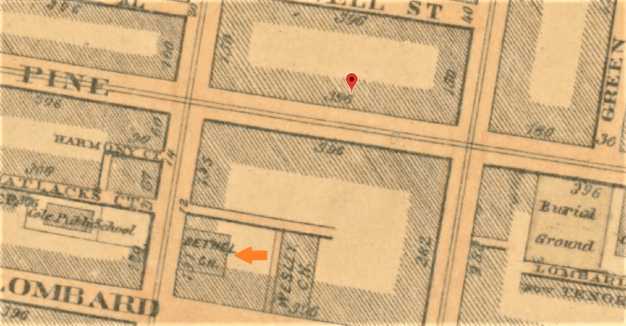
The red pin indicates the location of the Gibbons residence at 163 Pine Street, located between 5th and 6th Streets. The orange arrow indicates the location of Bethel AME Church.

Gibbons advertisement

Philadelphia Inquirer, June 14, 1849.

The Gibbons family rented the three-story brick building at 163 Pine Street for $5 a month or $155 in modern day currency. The above newspaper announcement shows that Mr. Gibbons had moved his carpenter shop to his home in 1846.  Tragically, Mr. Gibbons would pass away three years later in June of 1849 at 53 years old.

Plot

Three-month-old Mary E. Gibbons died on an unusually warm day in May where the temperature rose to over 80 degrees. She was buried at Bethel Burying Ground most likely the following day that saw a change in the weather to “raw and rainy.”
Official Border


Fifty-two-old Charles Hall died this date, May 14th, in 1849 and was buried at Bethel Burying Ground.

Posted by Terry Buckalew on May 14, 2019
Posted in: On This date. Tagged: African American burial grounds, African American cemeteries, African American History, African Methodist Episcopal Church, archaeology, Mother Bethel, Mother Bethel African Methodist Episcopal Church, Philadelphia, Richard Allen. Leave a comment

CHAS HALL

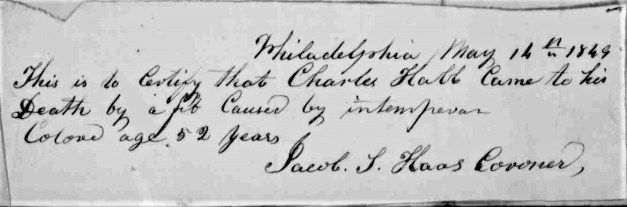
Fifty-two-year-old Charles Hall died this date, May 14th, in 1849 after suffering a seizure caused by “Intemperance.” According to the 1847 Philadelphia African American Census and the 1849 Philadelphia City Directory, Mr. Hall was employed as a chaise drive and worker in a livery stable.

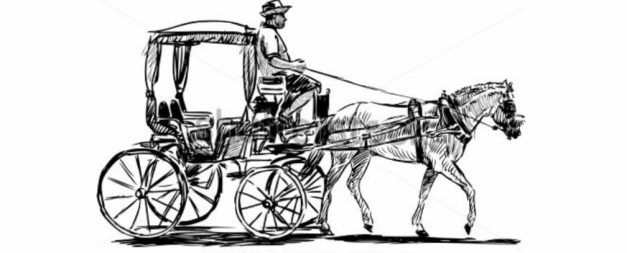
CHAISE DRIVER

A chaise was the mid-19th Century version of a taxi cab. Information from the 1847 Census, indicates that Mr. Hall owned his own chaise and horse.

The 1847 Census material on Mr. Hall shows that he was the head of a family of nine. In addition to Mr. Hall, there were four other males and four females, two were between five and fifteen years of age and three were under five years of age. All with the exception of one (likely Mr. Hall) were born in Pennsylvania. One other adult male also worked in a livery stable.* Two adult females were employed as a teacher and a domestic.

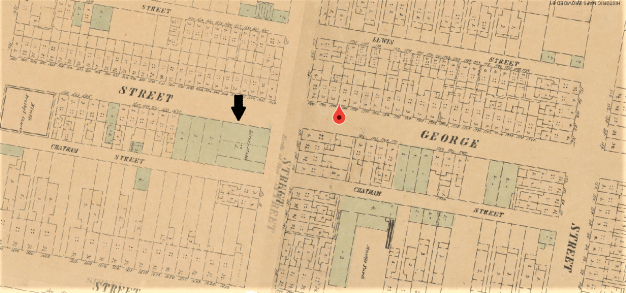
GEORGE STREET

The red pin indicates the location of the Hall family house in the 1700 block of George Street now Sansom Street. The family paid a hefty rent for their house at $27 a month or $880 in present-day currency. The black arrow indicates the location of a large livery stable where family members may have been employed or even owned.  According to the 1847 Census, the Halls were a successful business family with a reported $600 in personal property or approximately $20,000 in present-day currency. 

According to Board of Health documents, Mr. Hall was one of eighty Philadelphia men and women in 1849 whose death was directly related to alcoholism or intemperance as it was called during that period. In the Black community, alcohol use took on more than a social problem but also a political one. Black religious and civil leaders preached that alcohol stood in the way of African Americans achieving equal rights with whites. In their belief, the cessation of alcohol use would absolutely prove to whites that African Americans were worthy of equality and put Blacks on an equal footing. They preached that drunkenness was a sign of moral weakness and brought with it disease, poverty, crime, and violence. Proponents of this philosophy believed that sober Black people would make successful business entrepreneurs and then whites would have to automatically accept Blacks as the equals to them. 

california-house-riot

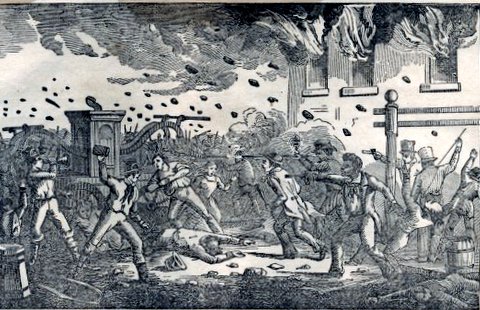
In August 1842 one of the large Black temperance societies was parading through the city to celebrate its cause and culture. They were ambushed by a larger mob of violent Irish gangs. “The Lombard Street Riot” ended three days later with many African Americans killed and injured, while many fleed the city. The 1847 Census shows that one member of the Hall family belonged to a temperance society. Was this Charles Hall? How was the Hall family affected by the riot?


Mr. Hall died after a night of heavy rain. The Hall family buried their patriarch on a windy and chilly Spring day where the temperature rose to 55 degrees. 
Official Border

*The 1850 Philadelphia City Directory shows a Mr. John Hall, chaise driver, at the same address as the deceased. 

Posts navigation

← Older Entries
Newer Entries →
  • Recent Posts

    • Three dead as church wall falls on this date, May 1st, in 1841.
    • The ten-month-old Baby Colgate died this date, June 20th, in 1847, and was buried at Bethel Burying Ground.
    • Fifty-eight-year-old Rachel Dawson died this date, May 3rd, in 1839, and was buried at Bethel Burying Ground.
    • Twenty-eight-year-old Robert Swails died on this date, March 31st in 1849, and was buried at Bethel Burying Ground.
    • Forty-year-old Jacob “Jesse” Howard died on this date, January 29th, in 1840, and was buried at Bethel Burying Ground.
  • Archives

    • May 2024
    • June 2023
    • May 2023
    • March 2023
    • January 2023
    • December 2022
    • November 2022
    • October 2022
    • September 2022
    • August 2022
    • May 2022
    • April 2022
    • March 2022
    • February 2022
    • January 2022
    • December 2021
    • November 2021
    • October 2021
    • September 2021
    • August 2021
    • July 2021
    • June 2021
    • May 2021
    • April 2021
    • March 2021
    • February 2021
    • January 2021
    • December 2020
    • November 2020
    • October 2020
    • September 2020
    • August 2020
    • July 2020
    • June 2020
    • May 2020
    • April 2020
    • March 2020
    • February 2020
    • January 2020
    • December 2019
    • November 2019
    • October 2019
    • September 2019
    • August 2019
    • July 2019
    • June 2019
    • May 2019
    • April 2019
    • March 2019
    • February 2019
    • January 2019
    • December 2018
    • November 2018
    • October 2018
    • September 2018
    • August 2018
    • July 2018
    • June 2018
    • May 2018
    • April 2018
    • March 2018
    • February 2018
    • January 2018
    • December 2017
    • November 2017
    • October 2017
    • September 2017
    • August 2017
    • July 2017
    • June 2017
    • May 2017
    • April 2017
    • March 2017
    • February 2017
    • January 2017
    • December 2016
    • November 2016
    • October 2016
    • September 2016
    • August 2016
    • July 2016
    • June 2016
    • May 2016
    • April 2016
    • March 2016
    • February 2016
    • January 2016
    • December 2015
    • November 2015
    • October 2015
    • September 2015
    • August 2015
    • July 2015
    • June 2015
    • May 2015
    • April 2015
    • March 2015
    • February 2015
    • January 2015
    • December 2014
    • November 2014
    • October 2014
  • Categories

    • Archaeology
    • BBG History
    • Bethel Burying Ground Name Directory
    • Bethel Burying Ground Timeline
    • Burial services
    • Diseases
    • Documents
    • Freemasonry
    • Ignatius Beck
    • It's a fact
    • Maps
    • Neighborhood
    • Newspaper Articles
    • On This date
    • Photographs
    • Uncategorized
    • Videos
  • Meta

    • Create account
    • Log in
    • Entries feed
    • Comments feed
    • WordPress.com
Blog at WordPress.com.
Bethel Burying Ground Project
Blog at WordPress.com.
  • Subscribe Subscribed
    • Bethel Burying Ground Project
    • Join 48 other subscribers
    • Already have a WordPress.com account? Log in now.
    • Bethel Burying Ground Project
    • Subscribe Subscribed
    • Sign up
    • Log in
    • Report this content
    • View site in Reader
    • Manage subscriptions
    • Collapse this bar
 

Loading Comments...