
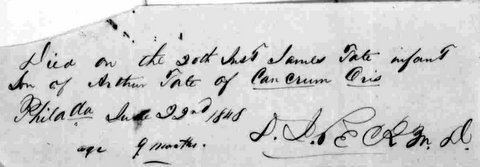
Nine-month-old James Tate died this date, June 20th, in 1848 of Cancrum Oris*and was buried at Bethel Burying Ground. The child’s parents were Arthur (41 y/o), and Margaret (30 y/o). Both were born in Maryland and one was formerly enslaved according to the 1847 Philadelphia African American Census. The rest of the family included Rachel (8 y/o), Daniel (7 y/o), John (6 y/o) and Samuel (5 y/o). All the children were born in Pennsylvania. Ms. Tate would give birth to another son, Frances, in December of 1849 according to the 1850 U.S. Census.
In 1847 Ms. Tate reported her occupation as a day worker. Mr. Tate reported his occupation as “porter.” By 1850 he was employed as the sexton of Bethel African Methodist Episcopal Church. His duties included the management of Bethel Burying Ground where he buried his baby son three years before. Mr. Tate was a valuable member of the African Methodist Episcopal community in Philadelphia.
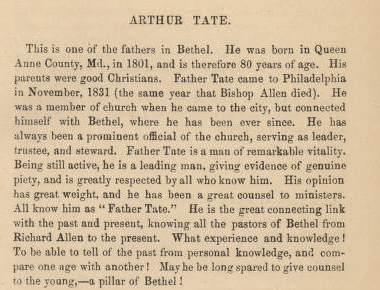
From “Bethel Gleanings” by Rev. Joseph S. Thompson, 1881, p. 23.
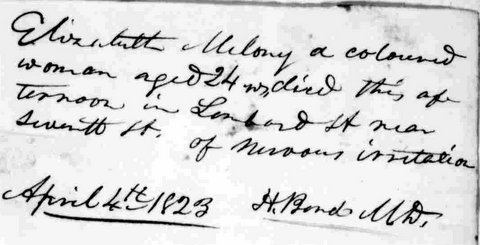
The family paid 1.75 a month for their room on Lombard Street near 8th Street. The 1847 Census reports the Tates lived in a three-story brick building with three other families.

*The disease that caused the child’s death is a very devastating bacterial infection of the mouth that erodes away all the tissue. Massive ulcers caused by bacterial infections infected the baby. Predisposing factors for the disease included malnutrition, dehydration, and unsafe drinking water. There was no treatment available at that time that would have saved the baby’s life.
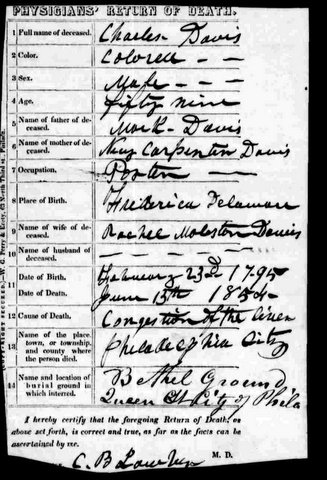
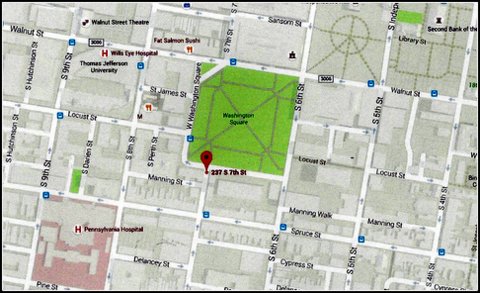
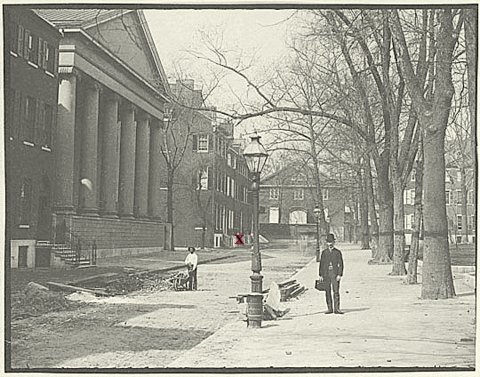

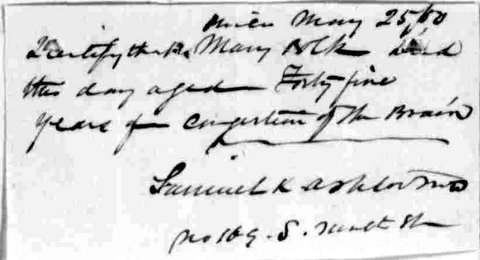
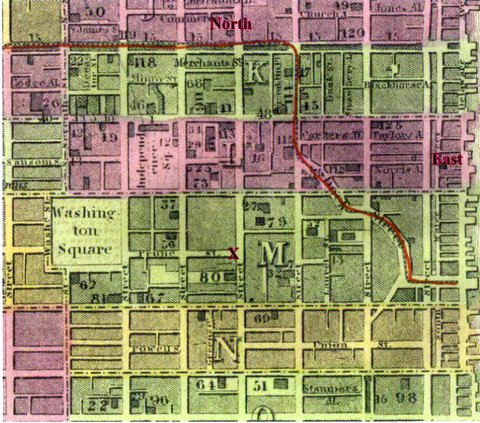
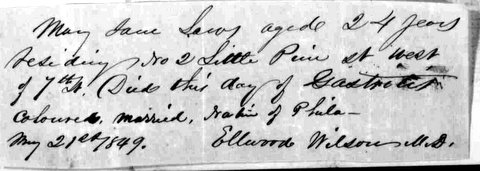
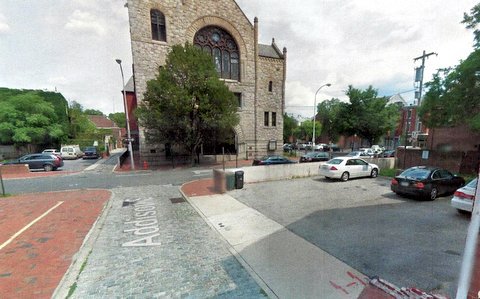
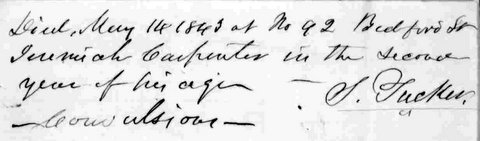
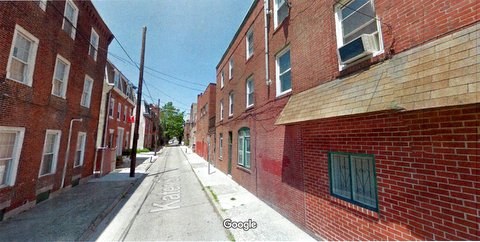
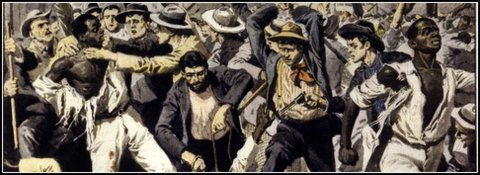 It is interesting to consider the possible experiences of the Carpenter family during the white supremacy violence of August 1-3, 1842. Unfortunately, their home was in the middle of some of the worst mob violence. The attack on Mother Bethel Church and the burning of Pennsylvania Hall are well known. Lesser acknowledge is the attacks on The Moyamensing Temperance Hall on Bedford Street near 8th Street only two blocks from the Carpenter residence. This new brick building, dedicated February 23, 1842, was the pride of the African American community. Alcoholism was devastating the community and this building and the organizing effort behind it was assisting in curbing the disease. This building became an instant threat to the vast Irish saloon business of Moyamensing, Southwark and the 7th Ward of Philadelphia. During the riot, there were two failed attempts to burn it down. What the mob failed to do the white city bureaucrats were more than happy to accomplish. A special grand jury ordered the building to be torn down because it was a “nuisance” and was in the interest of “public safety” simply because it existed. This occurred not two full blocks from the Carpenter’s home.


 Bethel Burying Ground Project